<?xml version="1.0" encoding="utf-8"?>
<feed xmlns="http://www.w3.org/2005/Atom" xmlns:media="http://search.yahoo.com/mrss/">
  <title>Old Town Home Category: 'Garden'</title>
  <updated>2017-06-20T10:00:00.000-04:00</updated>
  <id>http://www.oldtownhome.com/garden/index.atom</id>
  <link rel="alternate" href="http://www.oldtownhome.com/garden/index.atom" />
  <author>
    <name>Alex and Wendy</name>
    <uri>http://www.oldtownhome.com/</uri>
    <email>wendy@oldtownhome.com</email>
  </author>
  <entry>
    <guid>58847761-91c5-47ee-963a-26b4d575cc24</guid>
    <id>https://www.oldtownhome.com/2017/6/20/Whipping-Our-Foursquare-Homes-Exterior-Back-Into-Shape/</id>
    <title>Whipping Our Foursquare Home's Exterior Back Into Shape</title>
    <summary type="html"><![CDATA[<p><span style="font-size: small; font-family: arial, sans-serif; color: #222222;">Though it's been a little quiet on the blog lately, we've been very hard at work on several ongoing house projects.&nbsp;</span></p><p><span style="font-size: small; font-family: arial, sans-serif; color: #222222;">The most major of our projects has been our focus on the overall exterior appearance of our Foursquare. As a realtor, I'm keenly aware of curb appeal, and how small differences on the exterior of your home can truly set the tone for how you feel on the interior of your home. But as an owner of a house with wood siding, a large yard, and a lot of plantings around the house, I know what an overwhelming endeavor it can be to stay on top of those items that impact the curb appeal of your home.&nbsp;</span></p><p style="color: #222222; font-family: arial, sans-serif; font-size: small;">In our case, I'm not so concerned about what people driving or walking by our home think. Instead I'm more concerned with how the curb appeal makes me feel, or how it makes our visitors approaching the house feel. I want our home's exterior to set a tone of relaxation for all of our visitors, and it's hard to feel relaxed when you approach a yard of long unkempt grass, flower beds full of weeds, and significant sections of cracked or peeling paint on the house. After all, it's our goal to have more relaxing evenings like this.</p><p style="color: #222222; font-family: arial, sans-serif; font-size: small;">
<div class="MediaContainer PhotoContainer"><a href="https://farm5.staticflickr.com/4278/34888204832_2b01ef4b2c_z.jpg" rel="PhotoPopup" popupheight="640" popupwidth="480"><img alt="" src="https://farm5.staticflickr.com/4278/34888204832_2b01ef4b2c.jpg" width="375" height="500" style="border-width: 0px; border-style: solid;"></a></div>
</p><p style="color: #222222; font-family: arial, sans-serif; font-size: small;">This summer we've decided to approach the curb appeal and exterior maintenance of our home in three distinct phases.</p><p>
</p> <a href="https://www.oldtownhome.com/2017/6/20/Whipping-Our-Foursquare-Homes-Exterior-Back-Into-Shape/">more</a>]]></summary>
    <published>2017-06-20T10:00:00.000-04:00</published>
    <updated>2017-06-20T10:00:00.000-04:00</updated>
    <link rel="alternate" href="https://www.oldtownhome.com/2017/6/20/Whipping-Our-Foursquare-Homes-Exterior-Back-Into-Shape/" />
    <author>
      <name>Wendy</name>
    </author>
    <content type="html"><![CDATA[<p><span style="font-size: small; font-family: arial, sans-serif; color: #222222;">Though it's been a little quiet on the blog lately, we've been very hard at work on several ongoing house projects.&nbsp;</span></p>
<p><span style="font-size: small; font-family: arial, sans-serif; color: #222222;">The most major of our projects has been our focus on the overall exterior appearance of our Foursquare. As a realtor, I'm keenly aware of curb appeal, and how small differences on the exterior of your home can truly set the tone for how you feel on the interior of your home. But as an owner of a house with wood siding, a large yard, and a lot of plantings around the house, I know what an overwhelming endeavor it can be to stay on top of those items that impact the curb appeal of your home.&nbsp;</span></p>
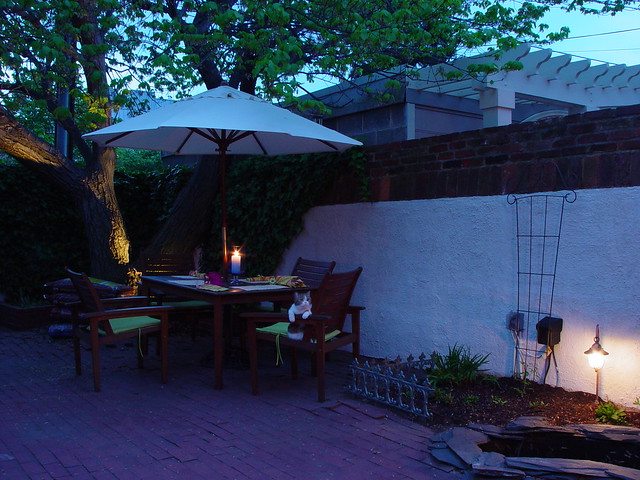
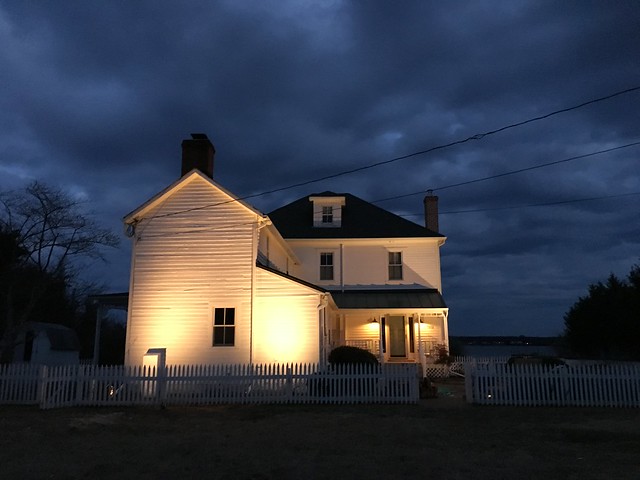
<p style="color: #222222; font-family: arial, sans-serif; font-size: small;">In our case, I'm not so concerned about what people driving or walking by our home think. Instead I'm more concerned with how the curb appeal makes me feel, or how it makes our visitors approaching the house feel. I want our home's exterior to set a tone of relaxation for all of our visitors, and it's hard to feel relaxed when you approach a yard of long unkempt grass, flower beds full of weeds, and significant sections of cracked or peeling paint on the house. After all, it's our goal to have more relaxing evenings like this.</p>
<p style="color: #222222; font-family: arial, sans-serif; font-size: small;">
<div class="MediaContainer PhotoContainer"><a href="https://farm5.staticflickr.com/4278/34888204832_2b01ef4b2c_z.jpg" rel="PhotoPopup" popupheight="640" popupwidth="480"><img alt="" src="https://farm5.staticflickr.com/4278/34888204832_2b01ef4b2c.jpg" width="375" height="500" style="border-width: 0px; border-style: solid;" /></a></div>
</p>
<p style="color: #222222; font-family: arial, sans-serif; font-size: small;">This summer we've decided to approach the curb appeal and exterior maintenance of our home in three distinct phases.</p>
<p>
</p>
<ol>
    <li><span style="font-family: arial, sans-serif; font-size: 13px; color: #222222;">Flower/planting bed beautification</span></li>
    <li><span style="font-family: arial, sans-serif; font-size: 13px; color: #222222;">Addressing exterior paint issues</span></li>
    <li><span style="font-family: arial, sans-serif; font-size: 13px; color: #222222;">Overall porch projects and paint</span></li>
</ol>
<p><span style="font-family: arial, sans-serif; font-size: 13px; color: #222222;">We're going to put off repairing/rebuilding/repainting our picket fence and some bigger yard projects until next summer, but this list of three items should keep us busy outside for most of the summer. So we kicked things off a few weeks ago with the garden beautification piece of our curb appeal project.&nbsp;</span></p>
<p>
</p>
<div class="MediaContainer PhotoContainer"><a href="https://farm3.staticflickr.com/2892/34349481352_0f4322c988_z.jpg" rel="PhotoPopup" popupheight="640" popupwidth="480"><img alt="" src="https://farm3.staticflickr.com/2892/34349481352_0f4322c988.jpg" width="375" height="500" style="border-width: 0px; border-style: solid;" /></a></div>
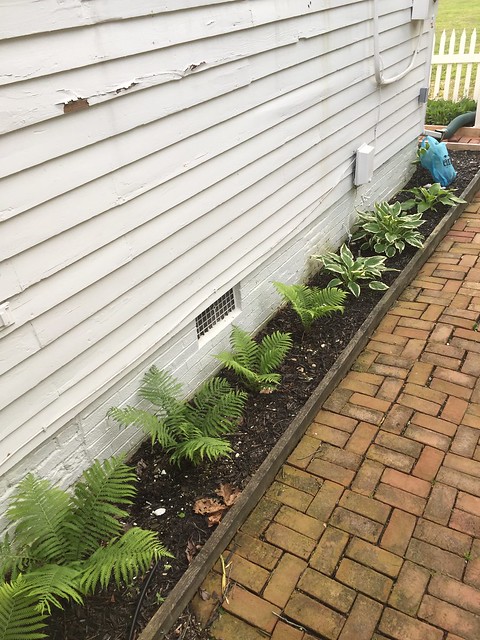
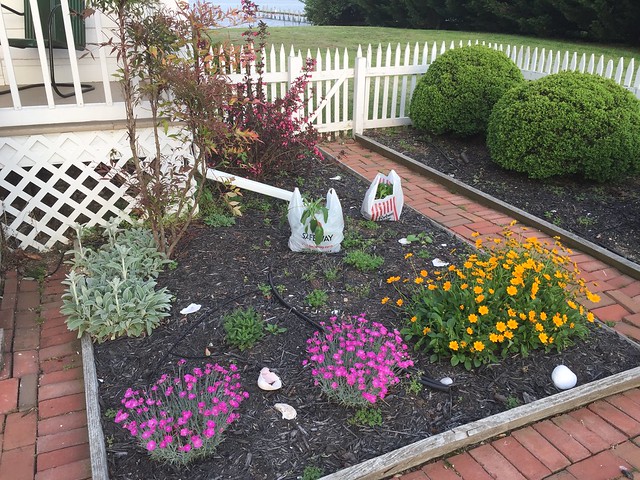
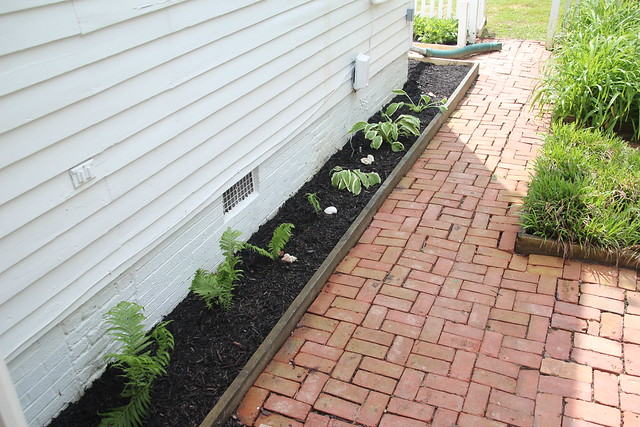
<p>You can see some of the paint/siding issues on the house in the photo above, but we were more focused on the flower beds. We planted a good number of ferns and other items last year, and they were doing well, but we had several bare spots we wanted to fill in. If you saw that we installed a drip irrigation system last year, you can also see it exposed in the photo. The black tubing has bothered me since we installed it, but we installed it all after mulching, so we never went ahead and buried it all last year. That's another item on our list that we'd like to take care of.</p>
<p>
</p>
<div class="MediaContainer PhotoContainer"><a href="https://farm3.staticflickr.com/2808/33503288783_2a1f636b0a_z.jpg" rel="PhotoPopup" popupheight="640" popupwidth="480"><img alt="" src="https://farm3.staticflickr.com/2808/33503288783_2a1f636b0a.jpg" width="375" height="500" style="border-width: 0px; border-style: solid;" /></a></div>
<p>We have a few friends in Alexandria that have an absolutely lovely garden. After they visited us last year they told us we should stop by to split some of the plants they have when it came time to plant this season. So we took them up on the offer.</p>
<p><a href="https://farm3.staticflickr.com/2892/33503287123_09fa1be796_z.jpg" rel="PhotoPopup" popupheight="640" popupwidth="480" style="text-decoration: underline; text-align: center;"><img alt="" src="https://farm3.staticflickr.com/2892/33503287123_09fa1be796.jpg" width="375" height="500" style="border: none; vertical-align: middle; height: 871px; width: 653px;" /></a></p>
<p>After a very nice tour of their gardens, we ended up walking way with several bags of plants destined for our garden. In total, we had ourselves a new rose bush, obedients, cone flowers, daisies, and sedum.</p>
<p>
</p>
<div class="MediaContainer PhotoContainer"><a href="https://farm5.staticflickr.com/4187/34155299972_1d05995451_z.jpg" rel="PhotoPopup" popupheight="640" popupwidth="480"><img alt="" src="https://farm5.staticflickr.com/4187/34155299972_1d05995451.jpg" width="375" height="500" style="border-width: 0px; border-style: solid;" /></a></div>
<p>We took all of the plants to the house and placed them in the locations that would soon be their new homes. Throughout the garden we have about nine different areas where we can plant. I planned it all out based on likely cover, color and height of the plants, and where I felt our existing plantings were just a little thin.</p>
<p>
</p>
<div class="MediaContainer PhotoContainer"><a href="https://farm5.staticflickr.com/4178/34468931566_6470e2a466_z.jpg" rel="PhotoPopup" popupheight="480" popupwidth="640"><img alt="" src="https://farm5.staticflickr.com/4178/34468931566_6470e2a466.jpg" width="500" height="375" style="border-width: 0px; border-style: solid;" /></a></div>
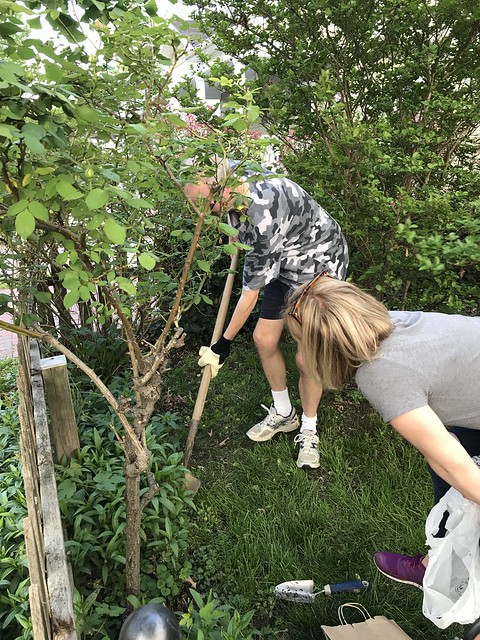
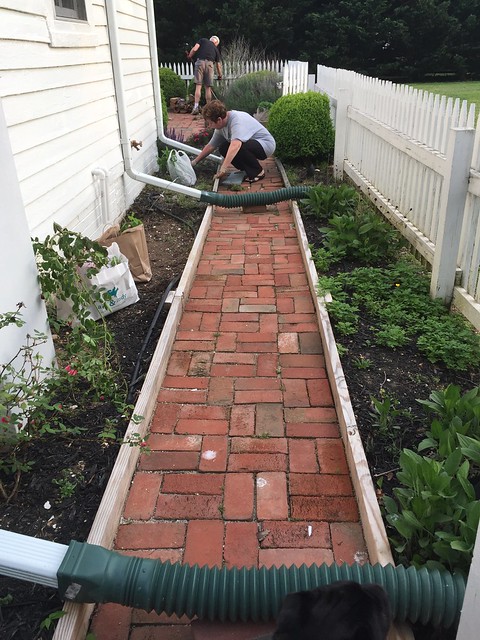
<p>That same weekend, my parents and brother had planned to visit. While I'm sure they wanted to relax a little, they also offered to help us get the garden in order for the season. I can't tell you how wonderfully welcome it is to have a helping hand when it comes to weeding, mulching, and general garden prep.</p>
<p>
</p>
<div class="MediaContainer PhotoContainer"><a href="https://farm3.staticflickr.com/2882/33668027284_2aef3bc173_z.jpg" rel="PhotoPopup" popupheight="640" popupwidth="480"><img alt="" src="https://farm3.staticflickr.com/2882/33668027284_2aef3bc173.jpg" width="375" height="500" style="border-width: 0px; border-style: solid;" /></a></div>
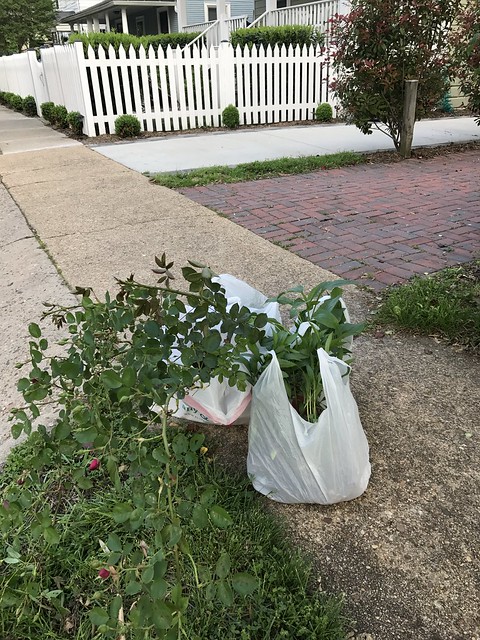
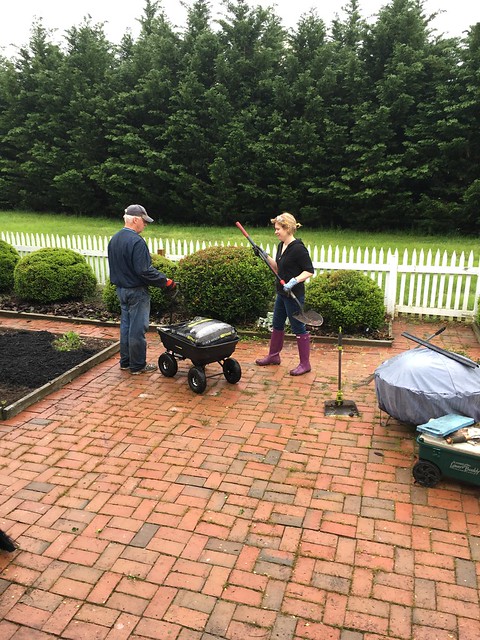
<p>While my parents and I worked to rid our beds of as much dead, overgrown, and unwelcome inhabitants from our flower beds, my brother and Alex hit up Lowe's for all of the mulch and dirt we'd need.</p>
<p>
</p>
<div class="MediaContainer PhotoContainer"><a href="https://farm5.staticflickr.com/4186/34379778321_04c215e82b_z.jpg" rel="PhotoPopup" popupheight="480" popupwidth="640"><img alt="" src="https://farm5.staticflickr.com/4186/34379778321_04c215e82b.jpg" width="500" height="375" style="border-width: 0px; border-style: solid;" /></a></div>
<p>Alex and my brother brought back 30 bags of mulch and three bags of dirt. It's amazing just how much mulch you need for this garden, which takes up a relatively small part of the yard.</p>
<p>
</p>
<div class="MediaContainer PhotoContainer"><a href="https://farm5.staticflickr.com/4159/33667824624_9ea9c06d9c_z.jpg" rel="PhotoPopup" popupheight="640" popupwidth="480"><img alt="" src="https://farm5.staticflickr.com/4159/33667824624_9ea9c06d9c.jpg" width="375" height="500" style="border-width: 0px; border-style: solid;" /></a></div>
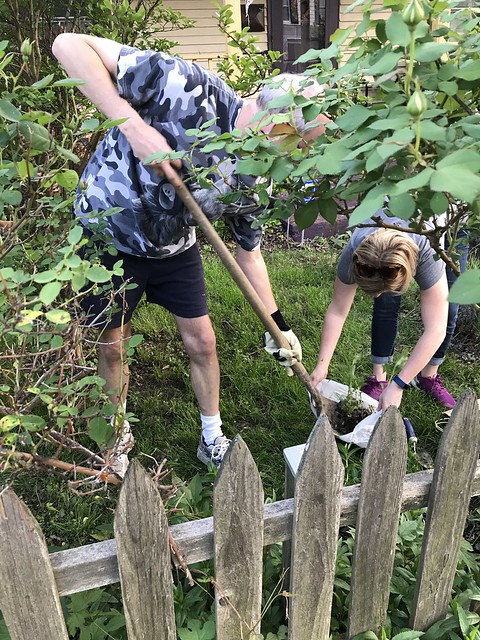
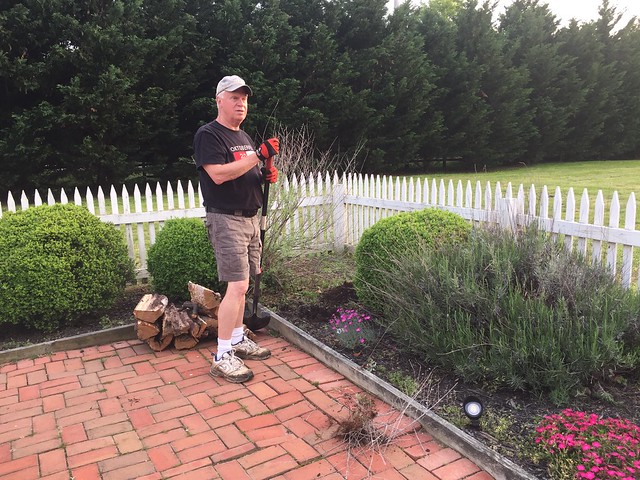
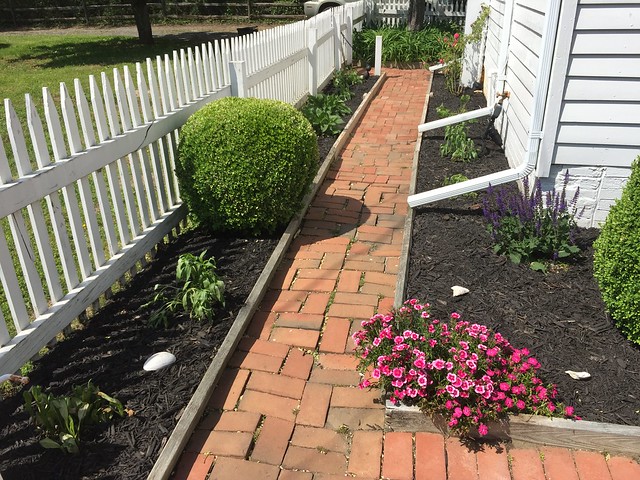
<p>We took a methodical approach to the whole project. First my parents trimmed or cut back the plants and boxwoods. Then my mom and I worked our way through the beds to remove weeds, and I worked with my dad to plant the new plants and flowers in theirs places around the garden. Alex then followed burying the drip irrigation line and running anything new to supply water to the new plants. Finally, my dad, mom, Alex, and I all worked around the whole yard spreading the bags of mulch. (My brother during this time was on the water side trimming our massive hedge.) The whole thing took two days, but when we were done we had the garden looking better than it's looked since we bought the house in 2014.</p>
<p>
</p>
<div class="MediaContainer PhotoContainer"><a href="https://farm5.staticflickr.com/4180/33699375243_27b3683d2e_z.jpg" rel="PhotoPopup" popupheight="480" popupwidth="640"><img alt="" src="https://farm5.staticflickr.com/4180/33699375243_27b3683d2e.jpg" width="500" height="375" style="border-width: 0px; border-style: solid;" /></a></div>
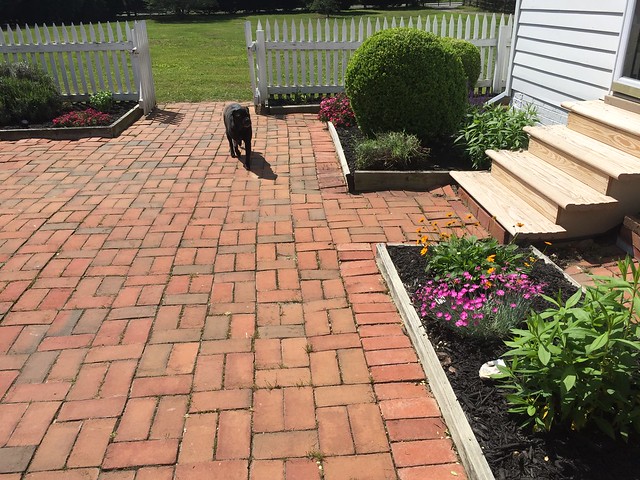
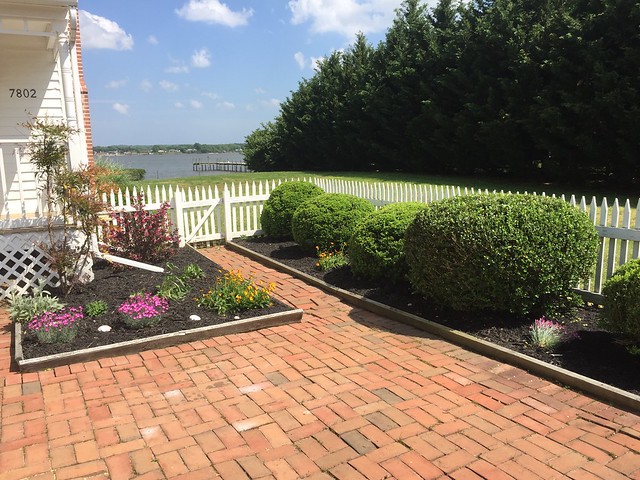
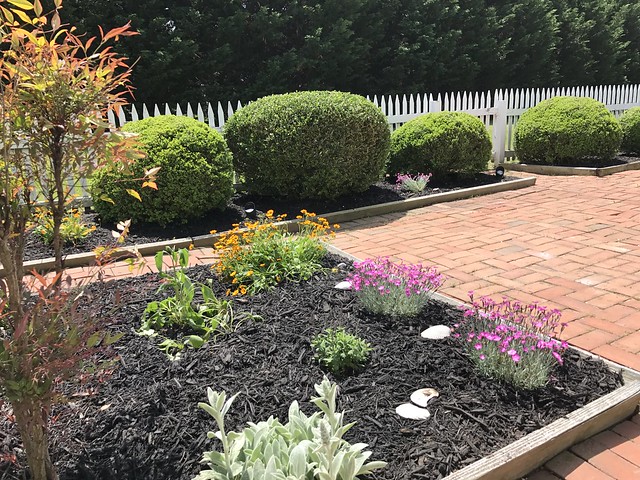
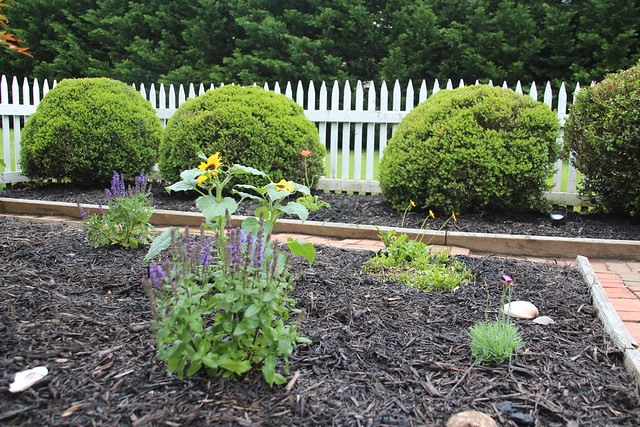
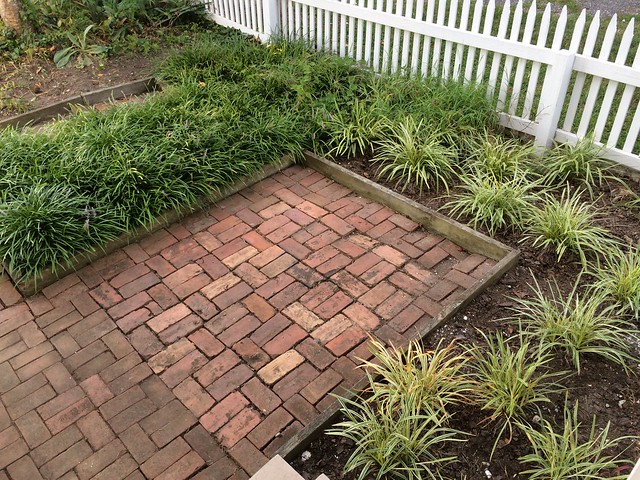
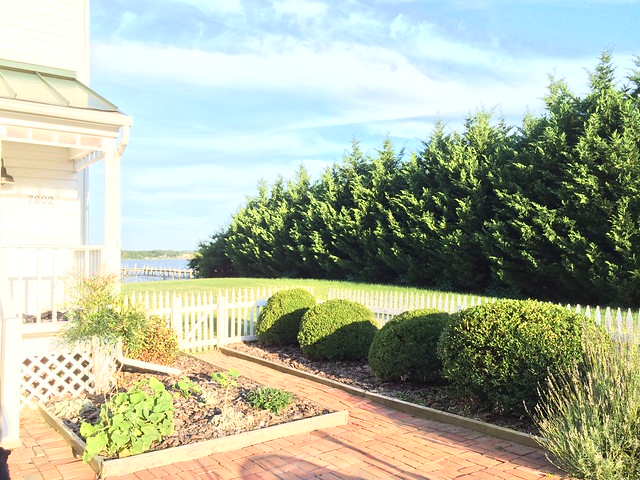
<p>I varied the colors of plants from bed to bed to keep it interesting, and with the larger bushes now nicely trimmed back it gave some of the smaller plants a little more room. While the wood borders may not be perfect, they work well with the garden in its current state, and give us a well defined area in each section for plantings.</p>
<p>
</p>
<div class="MediaContainer PhotoContainer"><a href="https://farm3.staticflickr.com/2848/33699375003_a29ffac307_z.jpg" rel="PhotoPopup" popupheight="480" popupwidth="640"><img alt="" src="https://farm3.staticflickr.com/2848/33699375003_a29ffac307.jpg" width="500" height="375" style="border-width: 0px; border-style: solid;" /></a></div>
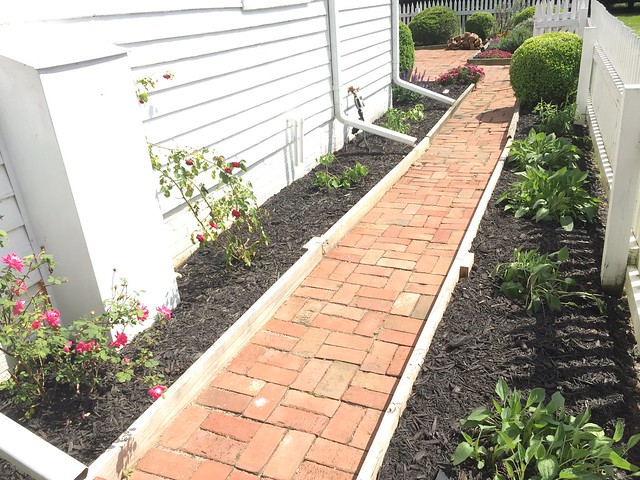
<p>I'm very hopeful that the drip irrigation system will do wonders to keep everything well fed throughout the summer. And now that the line is fully buried, mid-day waterings won't end up supplying swelteringly hot water onto our plantings.&nbsp;</p>
<p>
</p>
<div class="MediaContainer PhotoContainer"><a href="https://farm5.staticflickr.com/4170/34468361896_7e5e729be5_z.jpg" rel="PhotoPopup" popupheight="480" popupwidth="640"><img alt="" src="https://farm5.staticflickr.com/4170/34468361896_7e5e729be5.jpg" width="500" height="375" style="border-width: 0px; border-style: solid;" /></a></div>
<p>One area that I'm particularly excited about is the front of the house. It's actually the "back" given the orientation of the front towards the water, but this is the view that visitors see when they pull up. The large white metal box houses the geothermal ground loop at the entrance to the house. We planted our new rose bush to the right of the box, and the rose bush from last year is on the left. It's my hope that these climbing rose bushes will flourish and eventually will camouflage this unsightly feature.</p>
<p>
</p>
<div class="MediaContainer PhotoContainer"><a href="https://farm5.staticflickr.com/4179/34509590665_0d753739a9_z.jpg" rel="PhotoPopup" popupheight="480" popupwidth="640"><img alt="" src="https://farm5.staticflickr.com/4179/34509590665_0d753739a9.jpg" width="500" height="375" style="border-width: 0px; border-style: solid;" /></a></div>
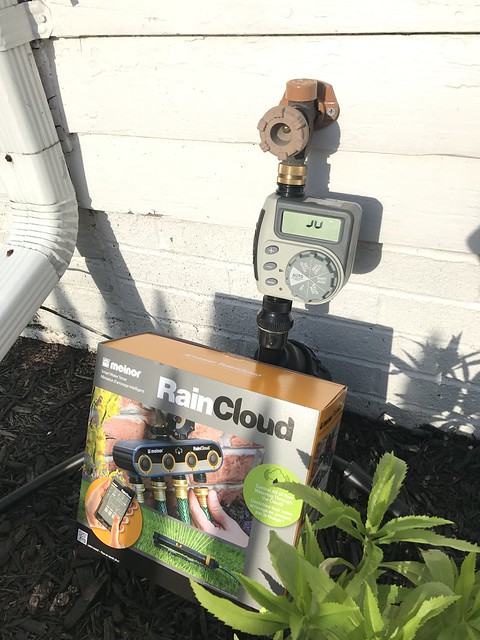
<p>This section of the house is also where our drip irrigation system hose bib sits. It's in direct sun for the second half of the day and that abuses the hose timers. The first hose timer, which we installed last summer, was solar powered but the solar cell went bad after the first month, leaving our plants without water for a week (and they died). The second hose timer we installed had an LCD panel on it, which ended up going bad. We couldn't read what it said and we weren't able to change the program after that. So this summer Alex decided to go the wifi route. He picked up this Melnor Rain Cloud wifi enabled hose time.&nbsp;</p>
<p>
</p>
<div class="MediaContainer PhotoContainer"><a href="https://farm5.staticflickr.com/4226/34854174355_6be82047c5_z.jpg" rel="PhotoPopup" popupheight="640" popupwidth="480"><img alt="" src="https://farm5.staticflickr.com/4226/34854174355_6be82047c5.jpg" width="375" height="500" style="border-width: 0px; border-style: solid;" /></a></div>
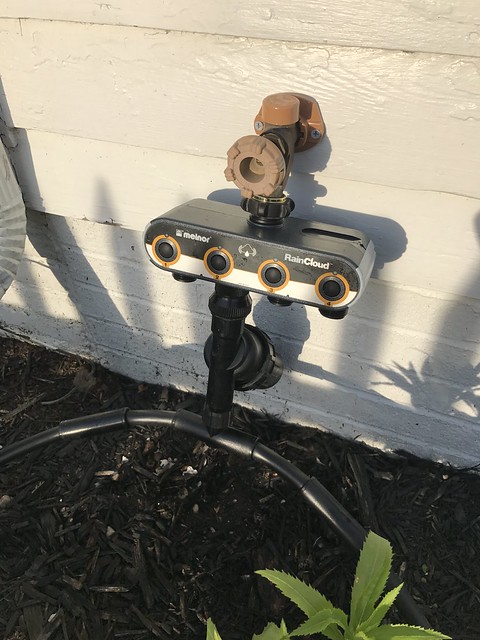
<p>It has 4 outlet zones, was extremely easy to setup, has advanced scheduling options, and even has a component that allows the system to monitor soil dampness, only watering when the plants actually need water. Best of all (for Alex's peace of mind), he can check on the watering status from his phone.&nbsp;</p>
<p>This is one of the parts of the house he wanted to be able to monitor remotely, and now he can.</p>
<p>
</p>
<div class="MediaContainer PhotoContainer"><a href="https://farm5.staticflickr.com/4190/34044119473_c27ae7fac8_z.jpg" rel="PhotoPopup" popupheight="640" popupwidth="480"><img alt="" src="https://farm5.staticflickr.com/4190/34044119473_c27ae7fac8.jpg" width="375" height="500" style="border-width: 0px; border-style: solid;" /></a></div>
<p>Right now we're only using one outlet, so we will just cap off the other three. But we plan to expand this in the future if we ever plant a fruit, veggie, and flower garden in the front yard. Each zone has an independent schedule capability, which is great for something like a vegetable garden that has far different needs for water than a flower bed garden.</p>
<p>All told, we had a pretty solid weekend of work and effort to get this garden looking good. But when we were done we could really see that we made a ton of progress.</p>
<p>
</p>
<div class="MediaContainer PhotoContainer"><a href="https://farm5.staticflickr.com/4185/33608398963_d9deff8a18_z.jpg" rel="PhotoPopup" popupheight="480" popupwidth="640"><img alt="" src="https://farm5.staticflickr.com/4185/33608398963_d9deff8a18.jpg" width="500" height="375" style="border-width: 0px; border-style: solid;" /></a></div>
<p>It's amazing how great a few dozen bags of mulch can make a garden look. We used the mulch with weed stop in it this year in the hopes that it might keep some of the weeds we normal get at bay. We'll see if it actually works, but I'd love to pull fewer weeds this year.</p>
<p>
</p>
<div class="MediaContainer PhotoContainer"><a href="https://farm5.staticflickr.com/4182/34124069410_fd1385e5fc_z.jpg" rel="PhotoPopup" popupheight="480" popupwidth="640"><img alt="" src="https://farm5.staticflickr.com/4182/34124069410_fd1385e5fc.jpg" width="500" height="375" style="border-width: 0px; border-style: solid;" /></a></div>
<p>With the garden in shape our attention turned to the next more piece of our curb appeal efforts, taking care of the siding and paint issues that have plagued our house since day one. But that's another story for another blog post. I can tell you one thing for sure, when this is your scientific method for figuring out the right paint colors, you might be in for a bumpy ride.</p>
<p>
</p>
<div class="MediaContainer PhotoContainer"><a href="https://farm5.staticflickr.com/4180/33703809993_62fcdbaafe_z.jpg" rel="PhotoPopup" popupheight="640" popupwidth="480"><img alt="" src="https://farm5.staticflickr.com/4180/33703809993_62fcdbaafe.jpg" width="375" height="500" style="border-width: 0px; border-style: solid;" /></a></div>
<p>Do you have any curb appeal dreams for your home this year? Is your garden the place you go to relax and enjoy, or is it a daunting part of your home that you dread the upkeep on each year? I have a love/tolerate relationship with my garden, and I welcome all advice on how to make it more of a love/enjoy relationship.&nbsp;</p><p><a href="https://www.oldtownhome.com/2017/6/20/Whipping-Our-Foursquare-Homes-Exterior-Back-Into-Shape/">Read Full Post</a></p>]]></content>
    <category term="Curb Appeal" />
    <category term="Garden" />
    <category term="Header Image" />
    <category term="Water House" />
    <PostImage>https://c1.staticflickr.com/5/4277/35300466621_77d2429b20_c.jpg</PostImage>
    <media:thumbnail url="https://c1.staticflickr.com/5/4277/35300466621_77d2429b20_t.jpg" />
    <ExtensionElements>
      <Item>PostImage</Item>
      <Item>media:thumbnail</Item>
    </ExtensionElements>
  </entry>
  <entry>
    <guid>9f3aff78-7c8b-4217-bbfc-8e94e1e523e0</guid>
    <id>https://www.oldtownhome.com/2017/6/2/Low-Voltage-Garden-Lighting-Home-Automation-Insteon-Hack/</id>
    <title>Low Voltage Garden Lighting Home Automation Insteon Hack</title>
    <summary type="html"><![CDATA[<p>Our goal is simple. We have low voltage outdoor lighting and we want to be able to control it using Insteon home automation. </p><p>Ben when it came to outdoor low voltage lighting, we couldn't find one on the market that would work with home automation systems. </p><p>
</p><div class="MediaContainer PhotoContainer"><a href="https://farm2.staticflickr.com/1545/24981433245_91afb1d9b6_z.jpg" rel="PhotoPopup" popupheight="479" popupwidth="640"><img alt="" src="https://farm2.staticflickr.com/1545/24981433245_91afb1d9b6.jpg" width="500" height="375" style="border-width: 0px; border-style: solid;"></a></div><p>Back in February 2016 we shared the relatively inexpensive and very DIY friendly way you can add landscape lighting to your home. Though it looks great when it's on, the control of the lighting leaves something to be desired. There are several problems with how you can control the lights. </p><p>In the case of our unit, there's no good way to control it with a light switch. Each time you turn off the unit it resets, so turning it on only puts it in programming mode. Once it's set, when it's on it's on, even if you want it off, unless you actually press a button on the transformer. To turn it off we have to crawl behind the bushes and there's few people that want to crawl around in dark bushes at night. </p><p>
</p> <a href="https://www.oldtownhome.com/2017/6/2/Low-Voltage-Garden-Lighting-Home-Automation-Insteon-Hack/">more</a>]]></summary>
    <published>2017-06-02T11:37:53.500-04:00</published>
    <updated>2017-06-02T11:37:53.500-04:00</updated>
    <link rel="alternate" href="https://www.oldtownhome.com/2017/6/2/Low-Voltage-Garden-Lighting-Home-Automation-Insteon-Hack/" />
    <author>
      <name>Alex</name>
    </author>
    <content type="html"><![CDATA[<p>Our goal is simple. We have low voltage outdoor lighting and we want to be able to control it using Insteon home automation. </p>
<p>Ben when it came to outdoor low voltage lighting, we couldn't find one on the market that would work with home automation systems. </p>
<p>
</p>
<div class="MediaContainer PhotoContainer"><a href="https://farm2.staticflickr.com/1545/24981433245_91afb1d9b6_z.jpg" rel="PhotoPopup" popupheight="479" popupwidth="640"><img alt="" src="https://farm2.staticflickr.com/1545/24981433245_91afb1d9b6.jpg" width="500" height="375" style="border-width: 0px; border-style: solid;" /></a></div>
<p>Back in February 2016 we shared the relatively inexpensive and very DIY friendly way you can add landscape lighting to your home. Though it looks great when it's on, the control of the lighting leaves something to be desired. There are several problems with how you can control the lights. </p>
<p>In the case of our unit, there's no good way to control it with a light switch. Each time you turn off the unit it resets, so turning it on only puts it in programming mode. Once it's set, when it's on it's on, even if you want it off, unless you actually press a button on the transformer. To turn it off we have to crawl behind the bushes and there's few people that want to crawl around in dark bushes at night. </p>
<p>
</p>
<div class="MediaContainer PhotoContainer"><a href="https://farm2.staticflickr.com/1514/24070771519_4941668ae9_z.jpg" rel="PhotoPopup" popupheight="480" popupwidth="640"><img alt="" src="https://farm2.staticflickr.com/1514/24070771519_4941668ae9.jpg" width="500" height="375" style="border-width: 0px; border-style: solid;" /></a></div>
<p>There's the ability to set a schedule, but it's rudimentary at best allowing you only to specify the number of hours it should stay on once a photocell triggers it to turn on.  And though a photocell sensor will turn the lights on at sunset and off at sunrise, it seems to be unreliable and we really don't want to leave the lights on all night. All of this together means it's just plain frustrating.</p>
<p class="MediaContainer PhotoContainer"><a href="https://farm3.staticflickr.com/2876/33919228832_5820db9f53_z.jpg" rel="PhotoPopup" popupheight="640" popupwidth="480"><img alt="" src="https://farm3.staticflickr.com/2876/33919228832_5820db9f53.jpg" width="375" height="500" style="border-width: 0px; border-style: solid;" /></a></p>
<p class="MediaContainer PhotoContainer"><em>Tiny photocell that operates the transformer</em></p>

<p>While home automation has grown by leaps and bounds over the last several years, there are some products that just don't exist yet in the marketplace. In this case, we were searching for a low voltage garden lighting transformer that can be controlled with either Insteon or Z-Wave home automation protocols. I've searched high and low looking for an out of the box solution, and while they will probably exist at some point, right now I just haven't found one. </p>
<p>My searches uncovered some creative solutions, like a blog post that outlines how to create your own custom <a href="http://efundies.com/guides/insteon/hardware/how_to_control_outdoor_low_voltage_lighting_with_insteon/how_to_control_outdoor_low_voltage_lighting_with_insteon_page_1.htm" target="_blank">Insteon controlled outdoor enclosure unit</a>. My initial instinct of "ooooooh, I want to build that" was quickly overridden by the practical side of my brain that suggested "there's probably a more straight forward and less labor intensive way to accomplish what you want." Rather than engineering a completely custom approach, I started to look for solution that might work with the transformer we already had on hand.  </p>
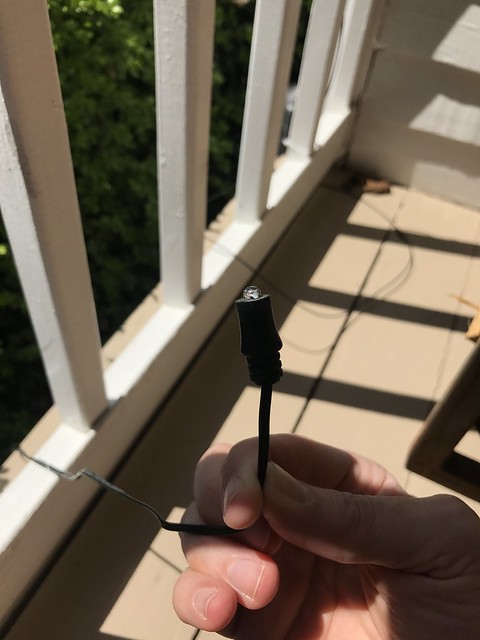
<p>When I started to really think about what we wanted to accomplish, I had a lightbulb moment that turned the tide in what we were shooting for. I realized that the photocell that could be used to turn the lights on and off with the sunset and sunrise, was actually just a plain old switch. Sure, it had a light sensor on the end of it, but all that light sensor was responsible for was to turn the lights on and off on the transformer. If I could somehow control that photocell sensor with something else, we'd be golden.</p>
<div class="ToolItem">
<iframe style="width: 120px; height: 240px;" marginwidth="0" marginheight="0" scrolling="no" frameborder="0" src="//ws-na.amazon-adsystem.com/widgets/q?ServiceVersion=20070822&amp;OneJS=1&amp;Operation=GetAdHtml&amp;MarketPlace=US&amp;source=ac&amp;ref=qf_sp_asin_til&amp;ad_type=product_link&amp;tracking_id=oltoho-20&amp;marketplace=amazon&amp;region=US&amp;placement=B001OLVLCK&amp;asins=B001OLVLCK&amp;linkId=8117a9db956daec038d76a4265859dd0&amp;show_border=false&amp;link_opens_in_new_window=true&amp;price_color=333333&amp;title_color=0066c0&amp;bg_color=fafaf8">
</iframe>
</div>
<p>After doing a fair amount of research, I came upon a solution that I thought might work. Insteon has a device call the Insteon IO Linc Module, and it's built for flexibility. If you read the marketing materials on this device, it's meant for whatever you can think of using it for. You can wire it to garage door closure relays, alarm device sensors, door bells, or any other number of low voltage items. But with this tremendous flexibility comes a complete lack of real instructions. So we had to just figure it out.</p>
<p>Assuming we could use the Insteon IO Linc as a home automation controlled switch replacement for the photocell, I got to work. </p>
<p>The first thing I had to do was to determine how the photocell switch works. Switches tend to work in one of two states, either "Normally Open" or "Normally Closed." What this means is that the photocell when triggered by light of the sun would either normally act in the Open or Off switch position or the Closed or On switch position. To verify I decided to just take the plunge and cut the photocell switch off of the wire.</p>
<p>As soon as I cut the photocell off of the end of the wire, the outdoor lights immediately turned on. This told me that when the photocell when activated by the sun was opening the circuit, so the normal position of the switch (without sun activation) was closed.</p>
<p>
</p>
<div class="MediaContainer PhotoContainer"><a href="https://farm3.staticflickr.com/2878/33264521953_4522786097_z.jpg" rel="PhotoPopup" popupheight="640" popupwidth="480"><img alt="" src="https://farm3.staticflickr.com/2878/33264521953_4522786097.jpg" width="375" height="500" style="border-width: 0px; border-style: solid;" /></a></div>
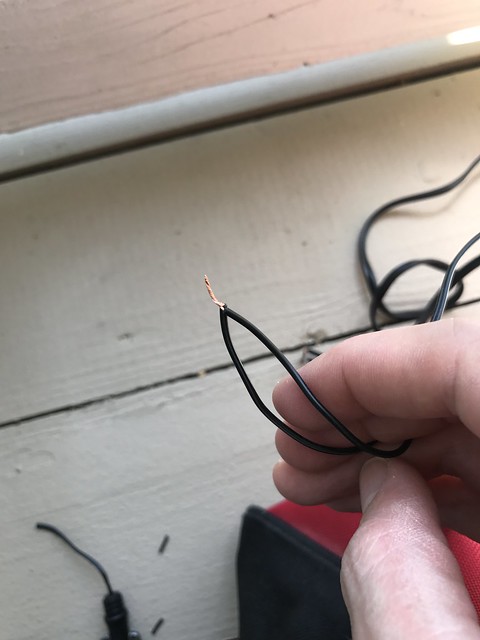
<p>Once it was cut I was able to strip back the wires to the photocell lead, then connect them. This connection completed the circuit and made the state of the switch act in a "closed" manner. About 30 seconds after I closed the circuit, the lights turned off. With this confirmation of the normally closed state of the switch resulting in the lights going off, I could begin to setup the IO Linc test.</p>
<p>
</p>
<div class="MediaContainer PhotoContainer"><a href="https://farm3.staticflickr.com/2808/33946447631_f9c92f0407_z.jpg" rel="PhotoPopup" popupheight="640" popupwidth="480"><img alt="" src="https://farm3.staticflickr.com/2808/33946447631_f9c92f0407.jpg" width="375" height="500" style="border-width: 0px; border-style: solid;" /></a></div>
<p>I wired the photocell lights into the "COM" or common terminal and the "NC" or Normally Closed terminal of the IO Linc. If my assumptions were correct, this would allow us to program any Insteon switch in the house to turn these outdoor lights on or off.</p>
<p>
</p>
<div class="MediaContainer PhotoContainer"><a href="https://farm4.staticflickr.com/3856/33233775184_329804ae15_z.jpg" rel="PhotoPopup" popupheight="640" popupwidth="480"><img alt="" src="https://farm4.staticflickr.com/3856/33233775184_329804ae15.jpg" width="375" height="500" style="border-width: 0px; border-style: solid;" /></a></div>
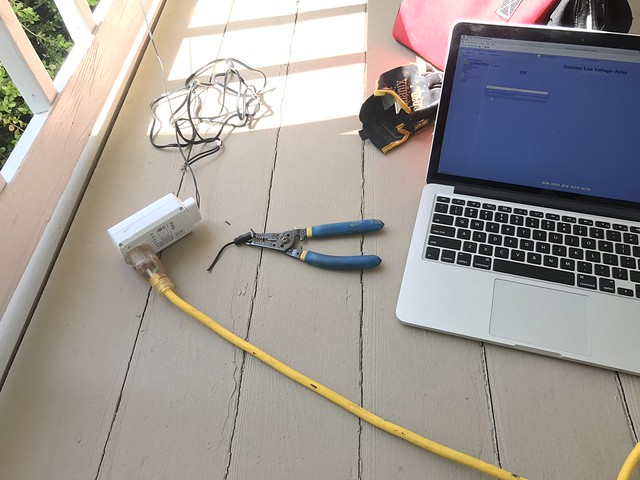
<p>Our whole home automation system is managed using an <a target="_blank" href="https://www.amazon.com/gp/product/B00P7C88XM/ref=as_li_tl?ie=UTF8&amp;camp=1789&amp;creative=9325&amp;creativeASIN=B00P7C88XM&amp;linkCode=as2&amp;tag=oltoho-20&amp;linkId=92c1d2a1799828a7617589c41f692f92">ISY994i ZW PRO</a><img alt="" src="//ir-na.amazon-adsystem.com/e/ir?t=oltoho-20&amp;l=am2&amp;o=1&amp;a=B00P7C88XM" width="1" height="1" style="border: none !important; margin: 0px !important;" /> device. The "ISY" is the brains of our system, and manages all devices we have installed. In this case, the ISY can run a program that automatically turns these lights on when the sun sets each day, and automatically turns them off at a scheduled time (we'll put it at 10:30). I'll definitely do a much more in-depth post on home automation and my obsession with the ISY in the future, but it requires a lot of details. Anyhow, I needed to add this Insteon IO Linc to our setup through the application interface on my computer.</p>
<p>
</p>
<div class="MediaContainer PhotoContainer"><a href="https://farm3.staticflickr.com/2806/33946448211_99332e5447_z.jpg" rel="PhotoPopup" popupheight="480" popupwidth="640"><img alt="" src="https://farm3.staticflickr.com/2806/33946448211_99332e5447.jpg" width="500" height="375" style="border-width: 0px; border-style: solid;" /></a></div>
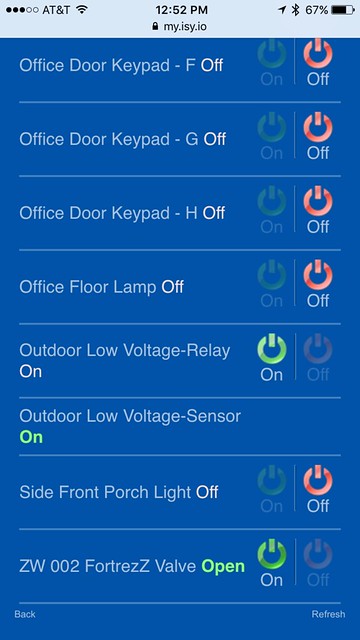
<p>Once I added to the system I tested the function of the switch from the iPhone app. You can see in the screen shot that a "Outdoor Low Voltage-Relay" is listed. When the outdoor lights were off, touching the "On" button caused the lights to immediately come on. And when on, touching the "Off" caused the lights to turn off after the programmed 30 second delay. That 30 second delay is a part of the light system and something I'll just have to live with.</p>
<p>
</p>
<div class="MediaContainer PhotoContainer"><a href="https://farm3.staticflickr.com/2910/33946442621_6a7d664752_z.jpg" rel="PhotoPopup" popupheight="640" popupwidth="360"><img alt="" src="https://farm3.staticflickr.com/2910/33946442621_6a7d664752.jpg" width="281" height="500" style="border-width: 0px; border-style: solid;" /></a></div>
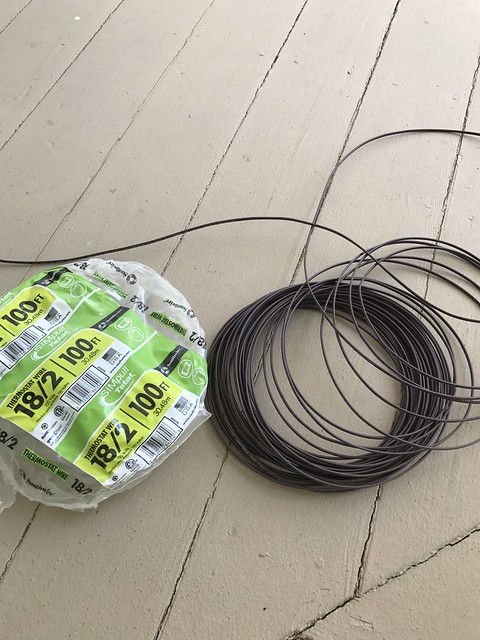
<p>With the successful test of the system, I knew we had ourselves a winner. I disconnected my test set up and wired up a much longer length of lead using some spare HVAC wire I had from a prior project. Using this longer wire would allow me to extend the wiring from the transformer into an outlet in the crawlspace of our house. This way I can plug the IO Linc in an out of the way location that's protected from the weather.</p>
<p>
</p>
<div class="MediaContainer PhotoContainer"><a href="https://farm3.staticflickr.com/2896/34076672845_528353d3e7_z.jpg" rel="PhotoPopup" popupheight="640" popupwidth="480"><img alt="" src="https://farm3.staticflickr.com/2896/34076672845_528353d3e7.jpg" width="375" height="500" style="border-width: 0px; border-style: solid;" /></a></div>
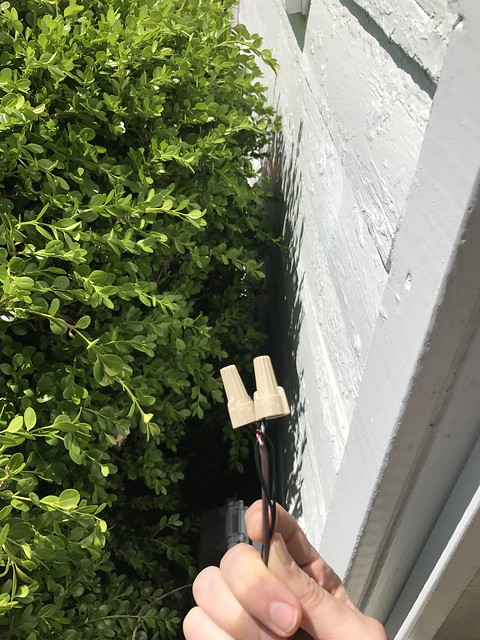
<p>I applied a few wire nuts to the splice, then tons of weather resistant tape to the nuts. Then we hid the wire behind the bottom course of siding so nobody will ever see it. </p>
<p>
</p>
<div class="MediaContainer PhotoContainer"><a href="https://farm3.staticflickr.com/2925/33692795520_31c3cd8282_z.jpg" rel="PhotoPopup" popupheight="640" popupwidth="480"><img alt="" src="https://farm3.staticflickr.com/2925/33692795520_31c3cd8282.jpg" width="375" height="500" style="border-width: 0px; border-style: solid;" /></a></div>
<p>The final step in the process was programming one of the light switches near the front door to control these lights. Now, if we want to go outside and sit around a dark fire pit, but the lights are on, all we have to do it tap the button on the switch and the lights will turn off. (We actually programmed about three switches to perform this duty, which is a great flexibility of home automation.)</p>
<p>
</p>
<div class="MediaContainer PhotoContainer"><a href="https://farm3.staticflickr.com/2838/33919225942_4f82fda54f_z.jpg" rel="PhotoPopup" popupheight="640" popupwidth="480"><img alt="" src="https://farm3.staticflickr.com/2838/33919225942_4f82fda54f.jpg" width="375" height="500" style="border-width: 0px; border-style: solid;" /></a></div>
<p>All told, it's taken much longer to write this blog post than to set up the Insteon IO Linc to control our lights. It was a quick and easy project that really expanded the function of our outdoor lights. Out of the box the programming of the lights and ability to turn them on and off was very limited. Now, using the ISY994 and our iPhone or wall switches, our outdoor lights run on a program that operates with the sunset and can be controlled by our switches or phones.</p>
<p>This is just one example of how versatile home automation is becoming. In many cases you can integrate home automation tools with existing technology in your home. We've been tinkering with home automation for more than a dozen years now, and the last four or five have seen such great strides that it's quickly becoming a reality for more than just the technology geeks of the world. </p>
<p>While this is a little bit more advanced of a home automation post, we plan on doing a handful of Home Automation 101 style posts to help the every day DIYer get off the ground with home automation. </p>
<p>Do you have any experience with home automation? If so, what technology did you choose and why? And if you don't have any experience, is this something that interests you that you'd like to learn more about? Let us know!</p><p><a href="https://www.oldtownhome.com/2017/6/2/Low-Voltage-Garden-Lighting-Home-Automation-Insteon-Hack/">Read Full Post</a></p>]]></content>
    <category term="Garden" />
    <category term="Hack" />
    <category term="Header Image" />
    <category term="Home Automation" />
    <category term="Insteon" />
    <category term="Smarthome" />
    <PostImage>https://c1.staticflickr.com/5/4195/34890619062_fa976889dd_z.jpg</PostImage>
    <media:thumbnail url="https://c1.staticflickr.com/5/4195/34890619062_fa976889dd_t.jpg" />
    <ExtensionElements>
      <Item>PostImage</Item>
      <Item>media:thumbnail</Item>
    </ExtensionElements>
  </entry>
  <entry>
    <guid>45ef976e-4dd4-474f-8eb0-30a7fd22b986</guid>
    <id>https://www.oldtownhome.com/2016/7/29/Reviving-Our-New-Plantings-with-Drip-Irrigation/</id>
    <title>Reviving Our New Plantings with Drip Irrigation</title>
    <summary type="html"><![CDATA[<p>As we've been working on projects at our country house we've been trying to strike that delicate balance between major overhaul projects, minor upgrades and facelifts, general upkeep and maintenance, and just trying to have a good time with friends and family.&nbsp;</p><p>We've been getting up to speed on crab picking...</p><p>
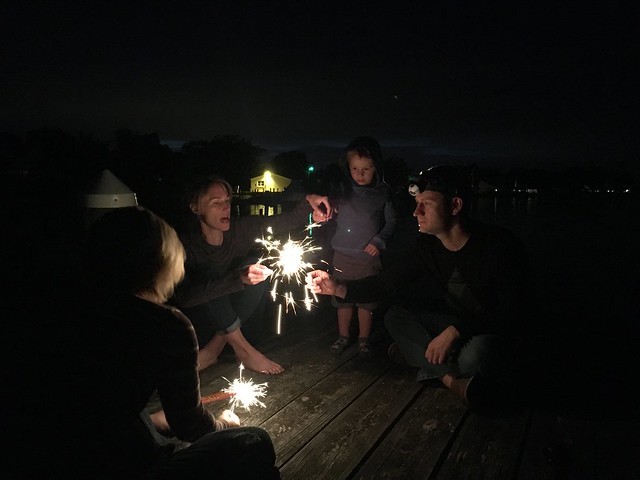
</p><div class="MediaContainer PhotoContainer"><a href="https://farm9.staticflickr.com/8741/28442845046_c40be273af_z.jpg" rel="PhotoPopup" popupheight="480" popupwidth="640"><img alt="" src="https://farm9.staticflickr.com/8741/28442845046_c40be273af.jpg" width="500" height="375" style="border-width: 0px; border-style: solid;"></a></div><p>...enjoying 4th of July festivities on the pier...</p><p>
</p><div class="MediaContainer PhotoContainer"><a href="https://farm8.staticflickr.com/7322/27436870194_2602e2b23b_z.jpg" rel="PhotoPopup" popupheight="480" popupwidth="640"><img alt="" src="https://farm8.staticflickr.com/7322/27436870194_2602e2b23b.jpg" width="500" height="375" style="border-width: 0px; border-style: solid;"></a></div><p>...and have been having fun in and on the water.</p> <a href="https://www.oldtownhome.com/2016/7/29/Reviving-Our-New-Plantings-with-Drip-Irrigation/">more</a>]]></summary>
    <published>2016-07-29T10:51:00.000-04:00</published>
    <updated>2016-07-29T10:51:00.000-04:00</updated>
    <link rel="alternate" href="https://www.oldtownhome.com/2016/7/29/Reviving-Our-New-Plantings-with-Drip-Irrigation/" />
    <author>
      <name>Alex</name>
    </author>
    <content type="html"><![CDATA[<p>As we've been working on projects at our country house we've been trying to strike that delicate balance between major overhaul projects, minor upgrades and facelifts, general upkeep and maintenance, and just trying to have a good time with friends and family.&nbsp;</p>
<p>We've been getting up to speed on crab picking...</p>
<p>
</p>
<div class="MediaContainer PhotoContainer"><a href="https://farm9.staticflickr.com/8741/28442845046_c40be273af_z.jpg" rel="PhotoPopup" popupheight="480" popupwidth="640"><img alt="" src="https://farm9.staticflickr.com/8741/28442845046_c40be273af.jpg" width="500" height="375" style="border-width: 0px; border-style: solid;" /></a></div>
<p>...enjoying 4th of July festivities on the pier...</p>
<p>
</p>
<div class="MediaContainer PhotoContainer"><a href="https://farm8.staticflickr.com/7322/27436870194_2602e2b23b_z.jpg" rel="PhotoPopup" popupheight="480" popupwidth="640"><img alt="" src="https://farm8.staticflickr.com/7322/27436870194_2602e2b23b.jpg" width="500" height="375" style="border-width: 0px; border-style: solid;" /></a></div>

<p>...and have been having fun in and on the water.</p>
<p>
</p>
<div class="MediaContainer PhotoContainer"><a href="https://farm8.staticflickr.com/7635/27956554931_efe716c7bb_z.jpg" rel="PhotoPopup" popupheight="480" popupwidth="640"><img alt="" src="https://farm8.staticflickr.com/7635/27956554931_efe716c7bb.jpg" width="500" height="375" style="border-width: 0px; border-style: solid;" /></a></div>

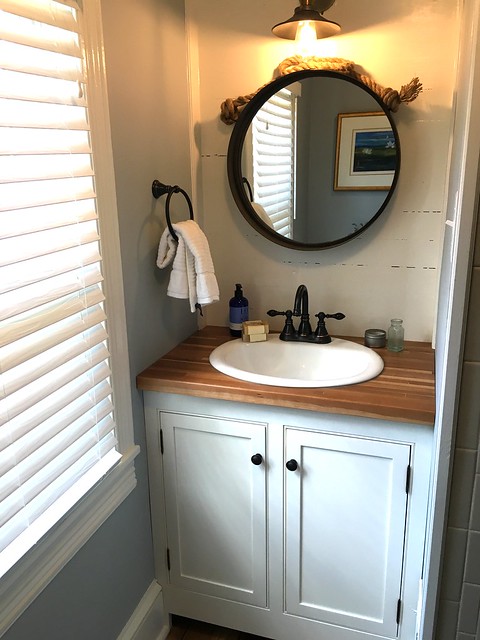
<p>Given all that's going on it hasn't been particularly easy to get a lot of tasks completely accomplished, but we sure have made some good progress overall. Over the last several months we <a href="http://www.oldtownhome.com/2016/6/14/Completing-our-Completely-Custom-Small-Budget-Vanity/">put the finishing touches on the minor overhaul turned major project of the downstairs guest bathroom</a>.</p>
<p>
</p>
<div class="MediaContainer PhotoContainer"><a href="https://farm8.staticflickr.com/7423/27560351952_f7ef66d1da_z.jpg" rel="PhotoPopup" popupheight="640" popupwidth="480"><img alt="" src="https://farm8.staticflickr.com/7423/27560351952_f7ef66d1da.jpg" width="375" height="500" style="border-width: 0px; border-style: solid;" /></a></div>

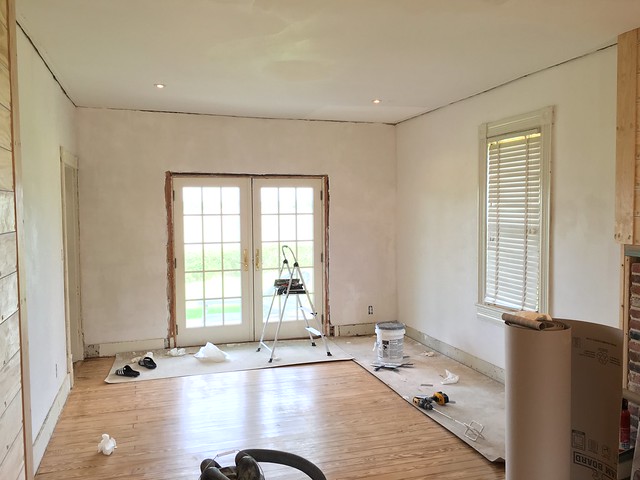
<p>We checked "<a href="http://www.oldtownhome.com/2016/6/24/Plaster-Restoration-Part-3-Master-of-Plaster-Finish-Coat-with-No-Sanding/">plaster the giant living room with historically accurate lime plaster</a>" off of our living room todo list.</p>
<p>
</p>
<div class="MediaContainer PhotoContainer"><a href="https://farm8.staticflickr.com/7540/27518599701_6c2f6eb760_z.jpg" rel="PhotoPopup" popupheight="480" popupwidth="640"><img alt="" src="https://farm8.staticflickr.com/7540/27518599701_6c2f6eb760.jpg" width="500" height="375" style="border-width: 0px; border-style: solid;" /></a></div>

<p>We purchased and <a href="http://www.oldtownhome.com/2016/7/15/Using-Marine-Waterlox-to-Refinish-Our-Outdoor-Dining-Table/">refinished a large outdoor table </a>made from salvaged lumber.</p>
<p>
</p>
<div class="MediaContainer PhotoContainer"><a href="https://farm8.staticflickr.com/7693/28173039282_b779a75cb9_z.jpg" rel="PhotoPopup" popupheight="640" popupwidth="480"><img alt="" src="https://farm8.staticflickr.com/7693/28173039282_b779a75cb9.jpg" width="375" height="500" style="border-width: 0px; border-style: solid;" /></a></div>
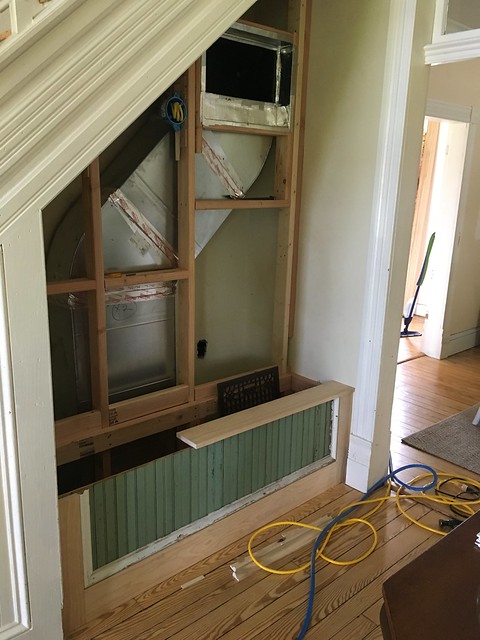
<p>We started working on the <a href="http://www.oldtownhome.com/2016/7/22/Creating-Bench-Storage-from-Salvaged-Beadboard/">under stairs bench to disguise our HVAC return ducting</a>.</p>
<p>
</p>
<div class="MediaContainer PhotoContainer"><a href="https://farm8.staticflickr.com/7511/28098660640_d4c1d6834f_z.jpg" rel="PhotoPopup" popupheight="640" popupwidth="480"><img alt="" src="https://farm8.staticflickr.com/7511/28098660640_d4c1d6834f.jpg" width="375" height="500" style="border-width: 0px; border-style: solid;" /></a></div>

<p>We started <a href="http://www.oldtownhome.com/2016/2/29/Creating-a-Cozy-Guest-Room-with-Mostly-Second-Hand-Furnishings/">decorating the guest sleeping spaces</a> (not yet renovated, but good enough as they are for now).</p>
<p>
</p>
<div class="MediaContainer PhotoContainer"><a href="https://farm2.staticflickr.com/1524/25337899876_397932d0c1_z.jpg" rel="PhotoPopup" popupheight="427" popupwidth="640"><img alt="" src="https://farm2.staticflickr.com/1524/25337899876_397932d0c1.jpg" width="500" height="333" style="border-width: 0px; border-style: solid;" /></a></div>

<p>And we've put a fair amount of time into the <a href="http://www.oldtownhome.com/2016/6/6/Where-the-Sidewalk-Ends/">putting the outdoor entertaining spaces back together</a>.</p>
<p>
</p>
<div class="MediaContainer PhotoContainer"><a href="https://farm8.staticflickr.com/7280/27391959526_e345607ea7_z.jpg" rel="PhotoPopup" popupheight="640" popupwidth="427"><img alt="" src="https://farm8.staticflickr.com/7280/27391959526_e345607ea7.jpg" width="333" height="500" style="border-width: 0px; border-style: solid;" /></a></div>

<p>But one of the areas of our home that has actually required what seems like the lion's share of our time has been the maintenance of our large yard. Whether we're trimming the hedge or pulling weeds, it feels like there's never a shortage of things that can take an entire afternoon to complete.</p>
<p>
</p>
<div class="MediaContainer PhotoContainer"><a href="https://farm8.staticflickr.com/7551/27859686433_2fd723008a_z.jpg" rel="PhotoPopup" popupheight="640" popupwidth="480"><img alt="" src="https://farm8.staticflickr.com/7551/27859686433_2fd723008a.jpg" width="375" height="500" style="border-width: 0px; border-style: solid;" /></a></div>
<p>Given that the outdoor space of our row house in Old Town is a whopping 800 square feet of mostly brick patio, the idea of over an acre of yard with grass, many plantings, and so much growing space that needs to be maintained can be somewhat overwhelming. For this reason, and the fact that Wendy's parents are extremely adept at gardening, we frequently enlist their help in getting our arms around our projects when they are in town.</p>
<p>
</p>
<div class="MediaContainer PhotoContainer"><a href="https://farm8.staticflickr.com/7211/26648522414_89980508a0_z.jpg" rel="PhotoPopup" popupheight="640" popupwidth="480"><img alt="" src="https://farm8.staticflickr.com/7211/26648522414_89980508a0.jpg" width="375" height="500" style="border-width: 0px; border-style: solid;" /></a></div>
<p>Earlier this year, back when we were re-laying the brick walkway, Wendy and her parents spent an entire weekend weeding, trimming, planting, mulching, and generally getting our outdoor space ready for the summer.&nbsp;</p>
<p>
</p>
<div class="MediaContainer PhotoContainer"><a href="https://farm8.staticflickr.com/7422/27149813450_7fe6883f1b_z.jpg" rel="PhotoPopup" popupheight="427" popupwidth="640"><img alt="" src="https://farm8.staticflickr.com/7422/27149813450_7fe6883f1b.jpg" width="500" height="333" style="border-width: 0px; border-style: solid;" /></a></div>
<p>At the conclusion of the massive effort, things were looking great.&nbsp;</p>
<p>
</p>
<div class="MediaContainer PhotoContainer"><a href="https://farm8.staticflickr.com/7022/27327380432_6cd207d924_z.jpg" rel="PhotoPopup" popupheight="427" popupwidth="640"><img alt="" src="https://farm8.staticflickr.com/7022/27327380432_6cd207d924.jpg" width="500" height="333" style="border-width: 0px; border-style: solid;" /></a></div>
<p>But the problem with outdoor spaces is that they need water and attention to keep them looking great, and ultimately we're not there enough to water the plants every day during the hot days so "looking great" can quickly turn into "looking dead."</p>
<div class="ToolItem">
<iframe style="width: 120px; height: 240px;" marginwidth="0" marginheight="0" scrolling="no" frameborder="0" src="//ws-na.amazon-adsystem.com/widgets/q?ServiceVersion=20070822&amp;OneJS=1&amp;Operation=GetAdHtml&amp;MarketPlace=US&amp;source=ac&amp;ref=qf_sp_asin_til&amp;ad_type=product_link&amp;tracking_id=oltoho-20&amp;marketplace=amazon&amp;region=US&amp;placement=B019CQPS9U&amp;asins=B019CQPS9U&amp;linkId=7997aac62aa9603c57f849b8c2f77440&amp;show_border=false&amp;link_opens_in_new_window=true&amp;price_color=&amp;title_color=&amp;bg_color=FAFAF8">
</iframe>
</div>
<p>Knowing that the cool days of late spring would soon give way to the dog days of summer, I started working on a plan to remedy our watering woes. My immediate thoughts went back to my childhood in the 80s with oscillating sprinklers creating rainbow sprays of water, kids running through them in the bathing suits. Though that image has a certain allure due to its nostalgia, I know there is a much better way to accomplish what we need.&nbsp;</p>
<p>After doing a fair amount of research on the best ways to water our plantings, the preferred solution was almost immediately clear. We needed to install a drip irrigation system!</p>
<p>If you're not familiar with drip irrigation, it's a pretty simple concept. You deliver only the water you need directly to the plantings that need it. It's low pressure, a concentrated area right at the base of the plant, and waters the plant slowly over the course of a few hours per day.&nbsp;</p>
<p>This is a tried and true method of keeping everything watered from small flowers to large trees, and conserves water while doing it. Imagine the oscillating sprinkler from our childhood I mentioned above and all of the wasted water that isn't actually doing any watering of the plants. Sure, the plants are getting a drink, but so is the bare ground and all of the weeds around those plants. With drip irrigation you deliver water directly to the areas that need water, and you deliver it at the right flow rate for the plant.</p>
<div class="ToolItem">
<iframe style="width: 120px; height: 240px;" marginwidth="0" marginheight="0" scrolling="no" frameborder="0" src="//ws-na.amazon-adsystem.com/widgets/q?ServiceVersion=20070822&amp;OneJS=1&amp;Operation=GetAdHtml&amp;MarketPlace=US&amp;source=ac&amp;ref=qf_sp_asin_til&amp;ad_type=product_link&amp;tracking_id=oltoho-20&amp;marketplace=amazon&amp;region=US&amp;placement=B00Q53N2S8&amp;asins=B00Q53N2S8&amp;linkId=20db199b4b8cb8c1d6da516097483df2&amp;show_border=false&amp;link_opens_in_new_window=true&amp;price_color=&amp;title_color=&amp;bg_color=FAFAF8">
</iframe>
</div>
<p>The first step in our project to bring water to our plants was to walk all of our plantings and figure out just what we needed to water. When installing a large sprinkler system you care only about the area of land you're watering, but when installing drip irrigation you focus more on the number of plants that need water, and the distance you need to have the water travel to reach the plants.&nbsp;</p>
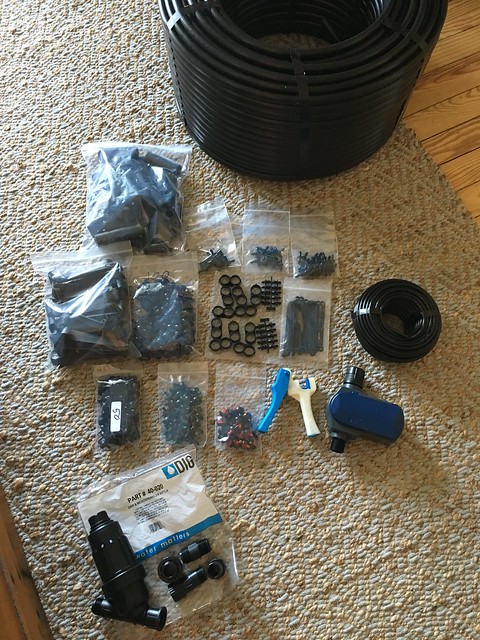
<p>In our situation we counted up a few dozen plants that we'd need to water regularly. This included everything from sunflowers and salvia to hydrangea and roses. And these were spread over several flower beds and along the side porch of the house. Based on our calculations we orders ourselves a drip irrigation starter kit that came with a few hundred feet of large and small tubing, lots of drip attachments, tools needed to install, a pressure regulator, instructions, and a solar powered timer so the drip irrigation can run even if we're not home. Essentially, it had everything we'd need to make sure our thirsty plants could be quenched on a regular basis.</p>
<p>
</p>
<div class="MediaContainer PhotoContainer"><a href="https://farm8.staticflickr.com/7463/27956545401_b8cd54e206_z.jpg" rel="PhotoPopup" popupheight="640" popupwidth="480"><img alt="" src="https://farm8.staticflickr.com/7463/27956545401_b8cd54e206.jpg" width="375" height="500" style="border-width: 0px; border-style: solid;" /></a></div>
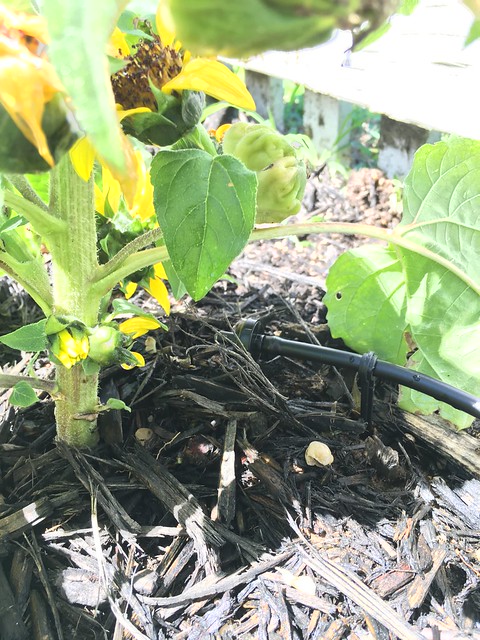
<p>The way the drip irrigation works is pretty simple. There's larger tubing (usually about 1/2") that will take water from the house's supply and will deliver it near the plants. Then there are smaller tubes that tap off of the main 1/2" tubing that delivers the water directly to the base of the plant. And finally, there's a dripper attachment that regulates the flow of water to a certain number of gallons per hour. These drippers are variable flow rate and are color coded based on how much water they'll deliver at one, two, or four gallons per hour.&nbsp;</p>
<p>
<div class="MediaContainer PhotoContainer"><a href="https://farm8.staticflickr.com/7113/27430296223_c6bcaaa0a9_z.jpg" rel="PhotoPopup" popupheight="640" popupwidth="480"><img alt="" src="https://farm8.staticflickr.com/7113/27430296223_c6bcaaa0a9.jpg" width="375" height="500" style="border-width: 0px; border-style: solid;" /></a></div>
</p>
<p>In order to get water where we'd need it to go, we needed to first install a new hose bib. While we already had one on the side of our house, it was not in a good spot for the drip kit. Also this will be a semi permanent fixture, so we didn't want to leave ourselves in a position where we couldn't hook up a hose if we needed to. So we opted to install ourselves a new hose bib more ideally suited to supply water to our whole garden. I also wanted to locate it so it would be easier to deliver water to a vegetable garden I dream of one day building in the front yard. Maybe in 2024.&nbsp;</p>
<p>
</p>
<div class="MediaContainer PhotoContainer"><a href="https://farm8.staticflickr.com/7510/27967538541_29c01e6dda_z.jpg" rel="PhotoPopup" popupheight="640" popupwidth="480"><img alt="" src="https://farm8.staticflickr.com/7510/27967538541_29c01e6dda.jpg" width="375" height="500" style="border-width: 0px; border-style: solid;" /></a></div>
<p>The new host bib is a simple anti-freeze bib, and I was able to use the same water line run as the other hose bib to access this one, so they all use the same inside shut-off valve. This will make winter shutdown much easier.</p>
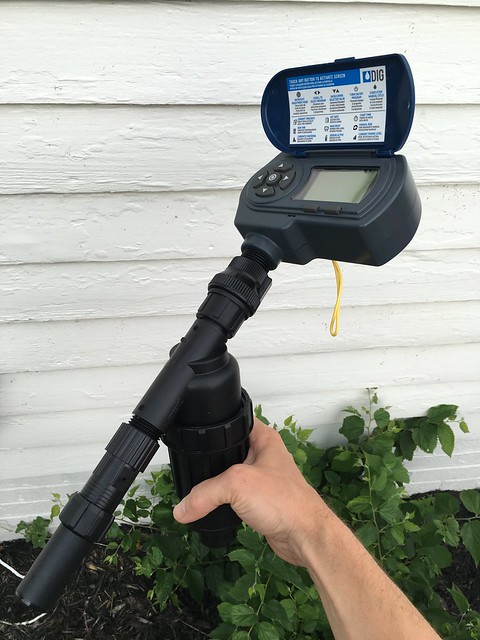
<p>The hose bib connects directly to the solar powered actuator valve and pressure reducer. This will let us set a daily schedule for watering without worry while we're gone, and the pressure reducer keeps the pressure in the drip irrigation system at just 25psi (to ensure we don't have a blow out).</p>
<p>
<div class="MediaContainer PhotoContainer"><a href="https://farm8.staticflickr.com/7101/27931833182_0decefa8a4_z.jpg" rel="PhotoPopup" popupheight="640" popupwidth="480"><img alt="" src="https://farm8.staticflickr.com/7101/27931833182_0decefa8a4.jpg" width="375" height="500" style="border-width: 0px; border-style: solid;" /></a></div>
</p>
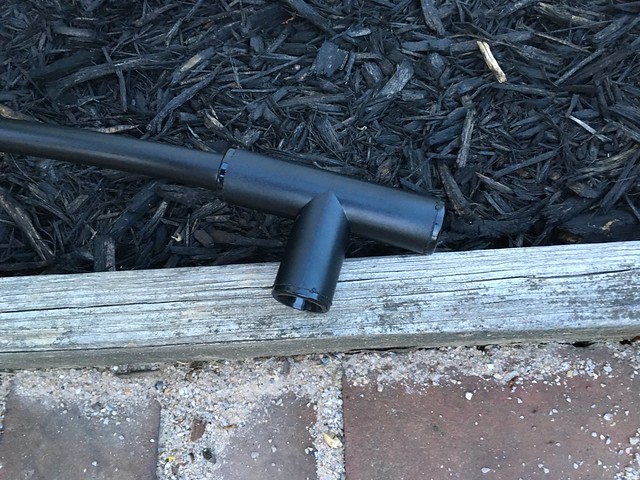
<p>With the hose bib installed and actuator and pressure reducer ready to go, we got to work on laying the 1/2" tubing around the yard. It's probably best if you draw your whole yard and map out exactly where you want to lay out all of the tubing. That's what the instructions on the kit say at least. But I've never been one to really follow instructions. Instead I created a mental map of the yard and figured out a rough plan of where I wanted to run everything. This worked for me, but it also drove Wendy crazy because she apparently can't read my mind even though we've been together for 21 years. Go figure.</p>
<p>
<div class="MediaContainer PhotoContainer"><a href="https://farm8.staticflickr.com/7581/27420482394_38a9425f17_z.jpg" rel="PhotoPopup" popupheight="480" popupwidth="640"><img alt="" src="https://farm8.staticflickr.com/7581/27420482394_38a9425f17.jpg" width="500" height="375" style="border-width: 0px; border-style: solid;" /></a></div>
</p>
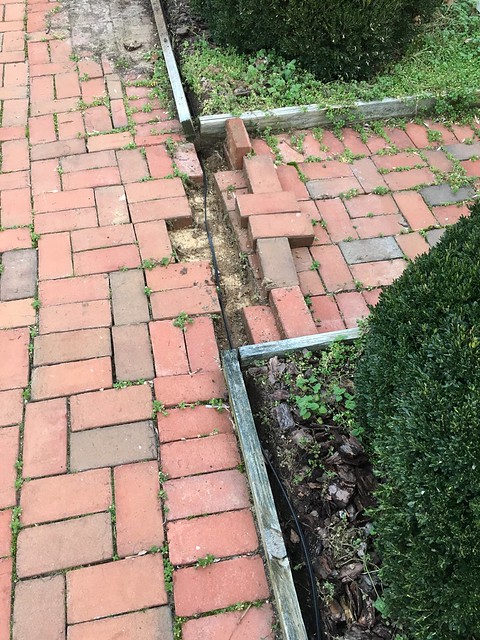
<p>Ideally we would have done this earlier in the year before planting and laying all of the mulch, but we often don't do things in the right order. But the advantage to this system is that the pipe doesn't need to be buried very deep, or really at all if we don't want. We can just make a little gully near the front of the border and cover it with dirt and mulch. The fittings are all the barb style press together type, so install overall is pretty quick and easy.</p>
<p>
<div class="MediaContainer PhotoContainer"><a href="https://farm8.staticflickr.com/7411/27956616091_d81cfe9db7_z.jpg" rel="PhotoPopup" popupheight="480" popupwidth="640"><img alt="" src="https://farm8.staticflickr.com/7411/27956616091_d81cfe9db7.jpg" width="500" height="375" style="border-width: 0px; border-style: solid;" /></a></div>
</p>
<p>The one thing to note, while it's much more miserable on the installer, putting this system together on a sunny and hot day is the best way to go. I left the tubing out in the hot sun while installing, which made it far easier to work with. Installing the fittings, pressing in the drippers, everything was just a little easier with slightly softer tubing.</p>
<p>We did have a four sections where the main 1/2" tubing had to travel beneath the brick walkway. For these sections I just had to pull a few bricks up and dig a little trench to bury the tubing beneath the bricks. It wasn't the quickest work in the world, but it wasn't particularly difficult either.</p>
<p>
</p>
<div class="MediaContainer PhotoContainer"><a href="https://farm8.staticflickr.com/7382/28009717886_6948ff1b1a_z.jpg" rel="PhotoPopup" popupheight="480" popupwidth="640"><img alt="" src="https://farm8.staticflickr.com/7382/28009717886_6948ff1b1a.jpg" width="500" height="375" style="border-width: 0px; border-style: solid;" /></a></div>
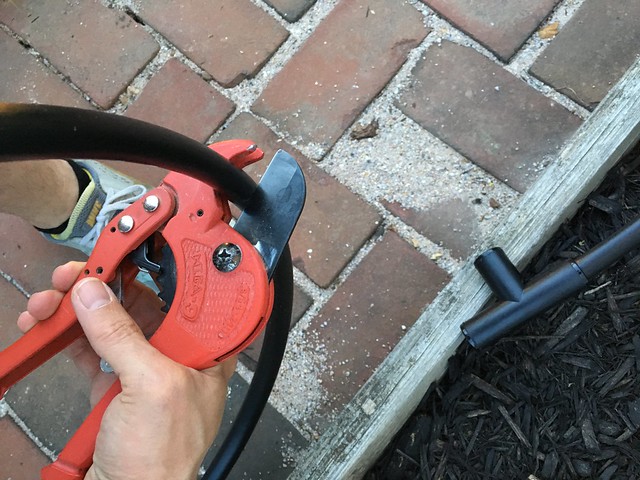
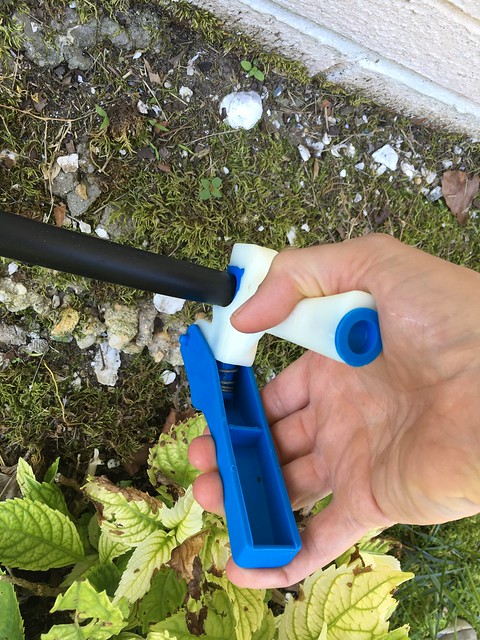
<p>Once the main tube was laid near all of the plants that it needed to water, we moved onto layout out the smaller watering tubes. Installing these tubes is simple. The kit came with a hole punch tool that places a small hole in the 1/2" tube.&nbsp;</p>
<p>
</p>
<div class="MediaContainer PhotoContainer"><a href="https://farm8.staticflickr.com/7585/27966624321_4a7d352239_z.jpg" rel="PhotoPopup" popupheight="640" popupwidth="480"><img alt="" src="https://farm8.staticflickr.com/7585/27966624321_4a7d352239.jpg" width="375" height="500" style="border-width: 0px; border-style: solid;" /></a></div>
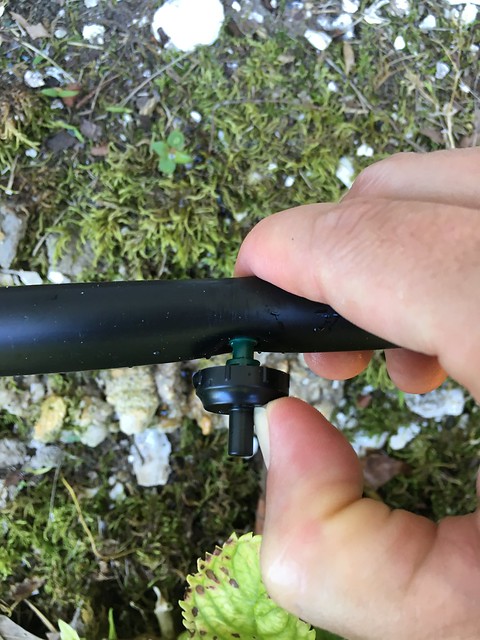
<p>In some cases, such as with most of the hydrangea, we were able to run the drippers right off of the main 1/2" line. For these we could just push the dripper right into the hole that was punched. As you can see from the photo, we're using the green color coded dripper, which is 2 gallons per hour, for the hydrangea.</p>
<p>
</p>
<div class="MediaContainer PhotoContainer"><a href="https://farm8.staticflickr.com/7377/28044354645_d7a4332946_z.jpg" rel="PhotoPopup" popupheight="640" popupwidth="480"><img alt="" src="https://farm8.staticflickr.com/7377/28044354645_d7a4332946.jpg" width="375" height="500" style="border-width: 0px; border-style: solid;" /></a></div>
<p>For the majority of the garden we had to run lines off of the main supple to get water to the plants. The smaller 1/8" tubing then attaches to a barbed fitting that pushes right into the larger 1/2" tube. That's all there is to it. Just push the small tube and fitting into the large and you're good to go.</p>
<p>
<div class="MediaContainer PhotoContainer"><a href="https://farm8.staticflickr.com/7600/28276977895_0ac297e7b3_z.jpg" rel="PhotoPopup" popupheight="640" popupwidth="480"><img alt="" src="https://farm8.staticflickr.com/7600/28276977895_0ac297e7b3.jpg" width="375" height="500" style="border-width: 0px; border-style: solid;" /></a></div>
</p>
<p>We slowly made our way around the entire garden, leading the water right to the base of the plants that would need it.&nbsp;</p>
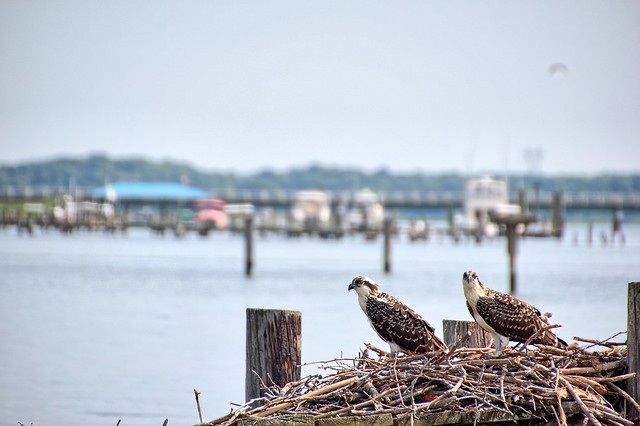
<p>After a few days of effort, probably about 6-8 hours total, we had ourselves a fully installed and 100% functional drip irrigation system. We set the valve to turn on at 7:00am for a good morning drink, and then again at 8:00pm for a soaking before bed. It's our hope that with this system in place our plants will not face the same fate they experienced last summer, looking good early but withering and dying as the summer progressed. It also means we'll not have to spend time each day we're at the house making sure everything gets a good soaking, and instead can focus on more pressing issues, like watching the osprey babies grow up and leave the nest.</p>
<p>
<div class="MediaContainer PhotoContainer"><a href="https://farm8.staticflickr.com/7299/28276946195_629b0b7206_z.jpg" rel="PhotoPopup" popupheight="426" popupwidth="640"><img alt="" src="https://farm8.staticflickr.com/7299/28276946195_629b0b7206.jpg" width="500" height="333" style="border-width: 0px; border-style: solid;" /></a></div>
</p>
<p>Drip irrigation is one of those things I've long been interested in trying, but never had a good space where we could use it. I did have some curiosity about using a rain barrel as the water source, but after doing a lot of research on it we learned we'd need to install a pump to force enough pressure...or build some sort of a water tower in the front yard. And as charming as a well placed water tower might look (I'm thinking one like the Silver Oak building in Napa Valley), I don't think I'll be able to get Wendy on board with that idea. Maybe in 2045?</p>
<p>
<div class="MediaContainer PhotoContainer"><a href="https://farm8.staticflickr.com/7434/13942772379_ca779ff245_z.jpg" rel="PhotoPopup" popupheight="427" popupwidth="640"><img alt="" src="https://farm8.staticflickr.com/7434/13942772379_ca779ff245.jpg" width="500" height="333" style="border-width: 0px; border-style: solid;" /></a></div>
</p>
<p>I'm so happy to have this installed and can't wait to see how it works this year in our garden. If it's successful we'll certainly expand this to our future vegetable garden. We have big plans for this yard down the road, and this is just the first step to learning how to effectively expand without wasting time, money, and natural resources.&nbsp;</p>
<p>Do you have any experience with drip irrigation? If so, do you have any tips or tricks you'd like to share to help our process? If not, is it something that might help you in your garden? Would love to hear your thoughts.</p><p><a href="https://www.oldtownhome.com/2016/7/29/Reviving-Our-New-Plantings-with-Drip-Irrigation/">Read Full Post</a></p>]]></content>
    <category term="Garden" />
    <category term="Header Image" />
    <category term="Water House" />
    <PostImage>https://c1.staticflickr.com/9/8778/28351891570_d0d106c43e.jpg</PostImage>
    <media:thumbnail url="https://c1.staticflickr.com/9/8778/28351891570_d0d106c43e_t.jpg" />
    <ExtensionElements>
      <Item>PostImage</Item>
      <Item>media:thumbnail</Item>
    </ExtensionElements>
  </entry>
  <entry>
    <guid>ea66f132-e8d0-4741-b9d0-2bc0bba3af15</guid>
    <id>https://www.oldtownhome.com/2016/2/5/Landscape-Lighting-for-Major-Impact-with-Minimal-Effort/</id>
    <title>Landscape Lighting for Major Impact with Minimal Effort</title>
    <summary type="html"><![CDATA[<p>Who doesn't love a project that's quick to complete and offers major impact?&nbsp;</p><p>With our new house we've been spending the last year on what seem like massive, slow moving projects. Besides refinishing the wood floors and sprucing up the shed, nothing else in the house really felt like we were actually finishing anything. Completed projects being few and far between made us feel like we wanted a quick and easy win this winter that wouldn't break the bank.</p><p>When it comes to quick, easy, and generally inexpensive, there are few more impactful projects than low voltage outdoor landscape lighting. Everything you need is easily purchased, straight forward to install, and you don't need to worry about electrocuting yourself since all of the wiring is low voltage. All you need is a vision, a plan, and a handful of hours.</p><p>If you're not familiar with our new house, it's a white clapboard house that's about 108 years old. Its style is a mishmash of four square and late Victorian farm house with a giant wraparound porch. But most notably, its "front" is situated to the back to give it a great view of the water...</p><p>
</p><div class="MediaContainer PhotoContainer"><a href="https://farm2.staticflickr.com/1632/24458077449_20270655f8_z.jpg" rel="PhotoPopup" popupheight="640" popupwidth="531"><img alt="" src="https://farm2.staticflickr.com/1632/24458077449_20270655f8.jpg" width="415" height="500" style="border-width: 0px; border-style: solid;"></a></div><p>...while its "back" is actually the front and faces the road. This means that the road facing side of the house is full of interesting angles and details that surround a nice sized brick patio where we plan to spend many nights around the fire pit.</p> <a href="https://www.oldtownhome.com/2016/2/5/Landscape-Lighting-for-Major-Impact-with-Minimal-Effort/">more</a>]]></summary>
    <published>2016-02-05T09:44:00.000-05:00</published>
    <updated>2016-02-05T09:44:00.000-05:00</updated>
    <link rel="alternate" href="https://www.oldtownhome.com/2016/2/5/Landscape-Lighting-for-Major-Impact-with-Minimal-Effort/" />
    <author>
      <name>Alex</name>
    </author>
    <content type="html"><![CDATA[<p>Who doesn't love a project that's quick to complete and offers major impact?&nbsp;</p>
<p>With our new house we've been spending the last year on what seem like massive, slow moving projects. Besides refinishing the wood floors and sprucing up the shed, nothing else in the house really felt like we were actually finishing anything. Completed projects being few and far between made us feel like we wanted a quick and easy win this winter that wouldn't break the bank.</p>
<p>When it comes to quick, easy, and generally inexpensive, there are few more impactful projects than low voltage outdoor landscape lighting. Everything you need is easily purchased, straight forward to install, and you don't need to worry about electrocuting yourself since all of the wiring is low voltage. All you need is a vision, a plan, and a handful of hours.</p>
<p>If you're not familiar with our new house, it's a white clapboard house that's about 108 years old. Its style is a mishmash of four square and late Victorian farm house with a giant wraparound porch. But most notably, its "front" is situated to the back to give it a great view of the water...</p>
<p>
</p>
<div class="MediaContainer PhotoContainer"><a href="https://farm2.staticflickr.com/1632/24458077449_20270655f8_z.jpg" rel="PhotoPopup" popupheight="640" popupwidth="531"><img alt="" src="https://farm2.staticflickr.com/1632/24458077449_20270655f8.jpg" width="415" height="500" style="border-width: 0px; border-style: solid;" /></a></div>
<p>...while its "back" is actually the front and faces the road. This means that the road facing side of the house is full of interesting angles and details that surround a nice sized brick patio where we plan to spend many nights around the fire pit.</p>
<p>
</p>
<div class="MediaContainer PhotoContainer"><a href="https://farm9.staticflickr.com/8709/16897317305_27609043f0_z.jpg" rel="PhotoPopup" popupheight="640" popupwidth="640"><img alt="" src="https://farm9.staticflickr.com/8709/16897317305_27609043f0.jpg" width="500" height="500" style="border-width: 0px; border-style: solid;" /></a></div>
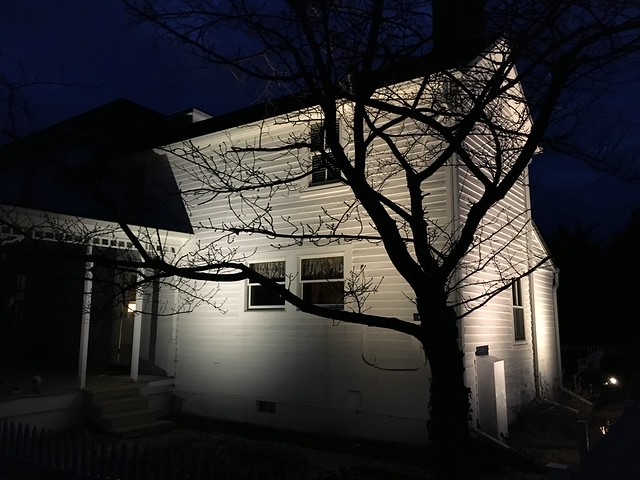
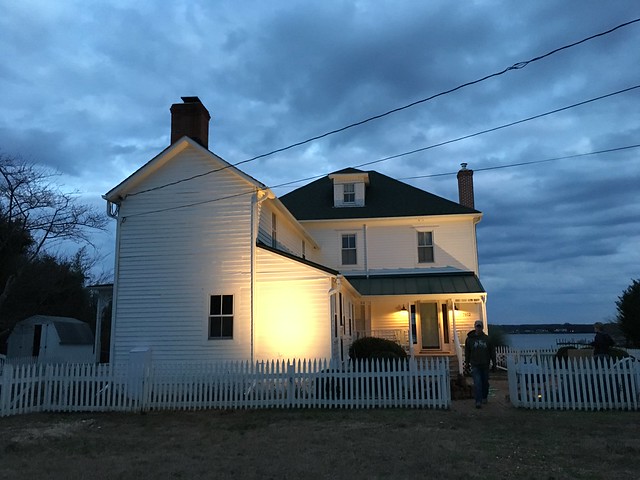
<p>But the thing that's so strange about our house and where's it's located is that at night there's pretty much no light. Once the sun sets it's essentially dark to the road, save for the two farmhouse porch lights we installed last year.</p>
<p>
</p>
<div class="MediaContainer PhotoContainer"><a href="https://farm8.staticflickr.com/7721/16845543127_4a547e86c9_z.jpg" rel="PhotoPopup" popupheight="480" popupwidth="640"><img alt="" src="https://farm8.staticflickr.com/7721/16845543127_4a547e86c9.jpg" width="500" height="375" style="border-width: 0px; border-style: solid;" /></a></div>
<p>That is until I was working late outside one day back in September. I was putting in a new fence post when it started getting dark. In order to work into the evening I dragged out one of my work lights, then I had a thought, "What would some nice lighting on the house look like?"</p>
<p>
</p>
<div class="MediaContainer PhotoContainer"><a href="https://farm1.staticflickr.com/689/21655087932_90cc9d4046_z.jpg" rel="PhotoPopup" popupheight="640" popupwidth="480"><img alt="" src="https://farm1.staticflickr.com/689/21655087932_90cc9d4046.jpg" width="375" height="500" style="border-width: 0px; border-style: solid;" /></a></div>
<p>I snapped the above photo and sent it to Wendy looking for her thoughts. Turns out, she loved the look! Which ultimately green lit the project and we went into planning mode.</p>
<p>The last time we installed outdoor lighting was in the back yard of our house in Old Town in about 2003. We wanted to put some lighting in at the base of our tress and a few path lights, but this was before LED lighting and energy efficiency, so it's truly a different world now.</p>
<p>
</p>
<p class="MediaContainer PhotoContainer"><a href="https://farm6.staticflickr.com/5022/5647861694_9eca08e07d_z.jpg" rel="PhotoPopup" popupheight="480" popupwidth="640"><img alt="" src="https://farm6.staticflickr.com/5022/5647861694_9eca08e07d.jpg" width="500" height="375" style="border-width: 0px; border-style: solid;" /></a></p>
<p class="MediaContainer PhotoContainer"><em>That's a spry five year old Mel in this photo from 2006.</em></p>
<p>Back then our options for lighting required a larger transformer or fewer lights due to the total wattage of lights the transformer needed to drive. Two 50 watt halogen spotlights, plus three 5 watt path lights meant we needed a minimum 150 Watt Transformer for our tiny project. But now that low wattage LED bulbs are available, we could get ten 50 watt equivalent spotlights that each run 7 watts, and still use less wattage than our whole back yard from back in 2003. But the big question has always been, is the higher efficiency worth the cost, and is it really more reliable? More on all of that later. Let's get on with the plan.</p>
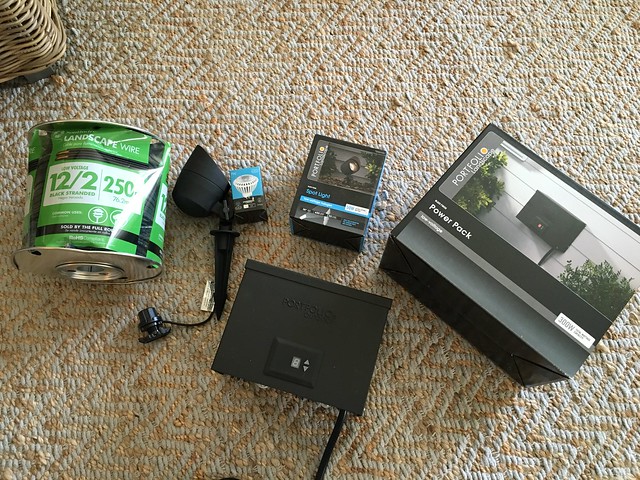
<p>In any low voltage outdoor lighting project there are three major components you'll need to purchase, and two major elements you'll need to plan.</p>
<p><strong>To plan:</strong></p>
<p>
</p>
<ol>
    <li><strong>What kind and how many lights do you want?</strong></li>
    <li><strong>Where will those lights be placed?</strong></li>
</ol>
<p><strong>To purchase:</strong></p>
<p>
</p>
<ol>
    <li><strong>The Low Voltage Transformer</strong></li>
    <li><strong>The Lights</strong></li>
    <li><strong>The Wire</strong></li>
</ol>
<p>That's it, it's that simple, just three sets of items to buy and a little work. Alright, let's go over each item and how we chose the ones we purchased.</p>
<p>
</p>
<div class="MediaContainer PhotoContainer"><a href="https://farm2.staticflickr.com/1589/24416861825_4c50a9ae51_z.jpg" rel="PhotoPopup" popupheight="480" popupwidth="640"><img alt="" src="https://farm2.staticflickr.com/1589/24416861825_4c50a9ae51.jpg" width="500" height="375" style="border-width: 0px; border-style: solid;" /></a></div>
<h3>The Plan</h3>
<p>When we were figuring out the type of lights we want and how we wanted to position and lay them out, we decided to look at this as a two phase project. Phase one, to be installed immediately, will include uplighting on the street side of the house. And phase two, to be installed at a later and yet to be determined time, will include small path lighting at various places around our garden walkway.&nbsp;</p>
<p>The reason why this phased approach is important is because it will impact how we run the wiring. If we plan things out correctly we will be able to run all of the wire now while hooking up the lights for phase one, then we'll just need to attach the lights for phase two, no need to run additional wire.</p>
<h3>The Purchase</h3>
<p><strong>1. The Low Voltage Transformer</strong></p>
<div class="ToolItem">
<iframe style="width: 120px; height: 240px;" marginwidth="0" marginheight="0" scrolling="no" frameborder="0" src="//ws-na.amazon-adsystem.com/widgets/q?ServiceVersion=20070822&amp;OneJS=1&amp;Operation=GetAdHtml&amp;MarketPlace=US&amp;source=ac&amp;ref=qf_sp_asin_til&amp;ad_type=product_link&amp;tracking_id=oltoho-20&amp;marketplace=amazon&amp;region=US&amp;placement=B002PNAJL0&amp;asins=B002PNAJL0&amp;linkId=PUN5Q5QUVYJRW6GJ&amp;show_border=false&amp;link_opens_in_new_window=true&amp;price_color=333333&amp;title_color=0066C0&amp;bg_color=FAFAF8">
</iframe>
</div>
<p>The transformer is the power plant that drives your lights and is the most important thing to size properly. In order to size the transformer wattage properly you just need to add up the total wattage of the lights you're planning to use, and then size up the capacity by about 15%. So if your total wattage adds up to 85 watts, a 100 watt transformer will do the trick. In our case we planned on using seven spotlights and as many as 10 path lights. We didn't have a specific wattage number for the lights, but expected it to come in around 70 watts for phase one, 80 watts for phase two, and possibly another 60 watts for future expansion, so 210 watts total. Adding 15% brings that total to about 250 watts. Given that wattage and what is available, we decided on a multi tap 300 watt transformer (with 150 watts per "tap").</p>
<p>Beyond wattage of the transformer, there are a few other features to consider. We purchase a transformer with a light sensor and built in timer that will allow our lights to turn on when the sun sets, and then turn off a specific number of hours later.&nbsp;</p>
<p><strong>2. The Lights</strong></p>
<div class="ToolItem">
<iframe style="width: 120px; height: 240px;" marginwidth="0" marginheight="0" scrolling="no" frameborder="0" src="//ws-na.amazon-adsystem.com/widgets/q?ServiceVersion=20070822&amp;OneJS=1&amp;Operation=GetAdHtml&amp;MarketPlace=US&amp;source=ac&amp;ref=qf_sp_asin_til&amp;ad_type=product_link&amp;tracking_id=oltoho-20&amp;marketplace=amazon&amp;region=US&amp;placement=B005PDCYAQ&amp;asins=B005PDCYAQ&amp;linkId=JSOZ4YEHLMDK4OXV&amp;show_border=false&amp;link_opens_in_new_window=true&amp;price_color=333333&amp;title_color=0066C0&amp;bg_color=FAFAF8">
</iframe>
<iframe style="width: 120px; height: 240px;" marginwidth="0" marginheight="0" scrolling="no" frameborder="0" src="//ws-na.amazon-adsystem.com/widgets/q?ServiceVersion=20070822&amp;OneJS=1&amp;Operation=GetAdHtml&amp;MarketPlace=US&amp;source=ac&amp;ref=qf_sp_asin_til&amp;ad_type=product_link&amp;tracking_id=oltoho-20&amp;marketplace=amazon&amp;region=US&amp;placement=B00OSOP94Q&amp;asins=B00OSOP94Q&amp;linkId=37US3WXND3APJRIV&amp;show_border=false&amp;link_opens_in_new_window=true&amp;price_color=333333&amp;title_color=0066C0&amp;bg_color=FAFAF8">
</iframe>
</div>
<p>Choosing the lights is probably the most difficult part of the whole process. In our case, we're focusing only on the phase one lights. We simply want seven spotlights to provide up-lighting on the house and illuminate the street side. But this is where it gets tricky. On one hand we could purchase lights that are LED spotlights. However, these lights are a bit more expensive that halogen spotlights, don't allow you to control the light color temperature, and don't allow you to specify the spotlight angle. Rather than buying LED spotlights, we decided to buy traditional 50 watt halogen spotlights, and then picked up 7 watt LED bulbs that are 50 watt equivalent, 2700K color temp, and a 40 degree angle. This would allow us to simply swap out the 50 watt halogens for the 7 watt LED bulb while both giving the control over the details and costing less than the native LED spotlights.</p>
<p><strong>3. The Wire</strong></p>
<div class="ToolItem">
<iframe style="width: 120px; height: 240px;" marginwidth="0" marginheight="0" scrolling="no" frameborder="0" src="//ws-na.amazon-adsystem.com/widgets/q?ServiceVersion=20070822&amp;OneJS=1&amp;Operation=GetAdHtml&amp;MarketPlace=US&amp;source=ac&amp;ref=qf_sp_asin_til&amp;ad_type=product_link&amp;tracking_id=oltoho-20&amp;marketplace=amazon&amp;region=US&amp;placement=B017V1SUMU&amp;asins=B017V1SUMU&amp;linkId=QJJA6JZJK35M6YJH&amp;show_border=false&amp;link_opens_in_new_window=true&amp;price_color=333333&amp;title_color=0066C0&amp;bg_color=FAFAF8">
</iframe>
</div>
<p>A lot of people don't really think about the wire and simply get a roll of the 16 gauge wire that is the cheapest in the lighting aisle. However, it's important to realize why you might not just want the 16 gauge wire. If you have an extremely long run of wire and you use a small gauge wire, you might get a voltage drop near the end of the run, which can cause lights towards the end of the wire to appear dim, flicker, or simply not work. In our case I knew the runs would be long at roughly 125' on each of the transformer taps, so I picked up a 250' spool of 12 gauge wire. This will be more than enough to ensure proper voltage can make it all of the way to the end of the wire run.&nbsp;</p>
<h3>The Install</h3>
<p>When it comes to DIY projects, especially those that involve lighting, the install of low voltage garden or accent lighting couldn't be easier. It simply comes down to running the wire, clipping on lights, and hooking the wire up to the transformer.</p>
<p>For our project Wendy's dad, Mike, was helping me out for the day, which made the whole thing go extremely fast. We kicked off the effort by laying all of the wire out roughly where it would go around the yard. This allowed us to figure out just where we install all of the lights, and allowed us to determine how to make the best use of the wire.</p>
<p>
</p>
<div class="MediaContainer PhotoContainer"><a href="https://farm2.staticflickr.com/1496/24338600121_c50298b79f_z.jpg" rel="PhotoPopup" popupheight="480" popupwidth="640"><img alt="" src="https://farm2.staticflickr.com/1496/24338600121_c50298b79f.jpg" width="500" height="375" style="border-width: 0px; border-style: solid;" /></a></div>
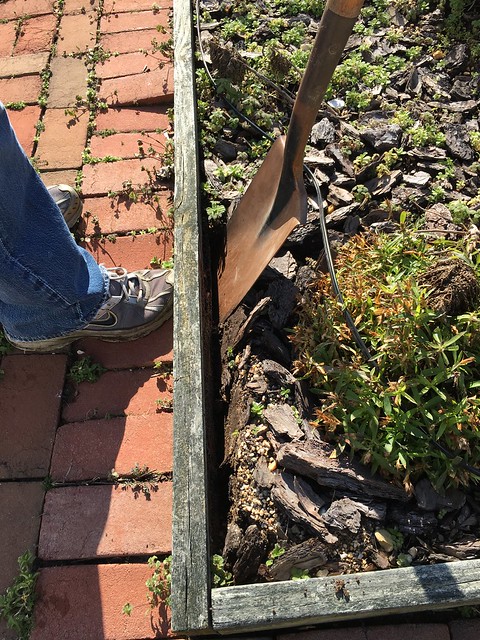
<p>Once the wire was laid out, Wendy's dad started using the spade to push back the dirt from the wood garden border where we could lay the wire.&nbsp;</p>
<p>
</p>
<div class="MediaContainer PhotoContainer"><a href="https://farm2.staticflickr.com/1690/24122675400_8af30d5aaf_z.jpg" rel="PhotoPopup" popupheight="640" popupwidth="480"><img alt="" src="https://farm2.staticflickr.com/1690/24122675400_8af30d5aaf.jpg" width="375" height="500" style="border-width: 0px; border-style: solid;" /></a></div>
<p>Since this is low voltage, we don't need to completely bury the wire, but we do want to make sure it's not in a place where it can be damaged. Laying it between the garden border and the dirt is a perfect place, as it won't get hit with a shovel while we're planting, but it's completely hidden and out of sight. There were a few places where we needed to remove a few bricks in order to run the wire from bed to bed, but this was extremely easy as well.</p>
<p>
</p>
<div class="MediaContainer PhotoContainer"><a href="https://farm2.staticflickr.com/1646/24356119291_8b27f7e983_z.jpg" rel="PhotoPopup" popupheight="640" popupwidth="480"><img alt="" src="https://farm2.staticflickr.com/1646/24356119291_8b27f7e983.jpg" width="375" height="500" style="border-width: 0px; border-style: solid;" /></a></div>
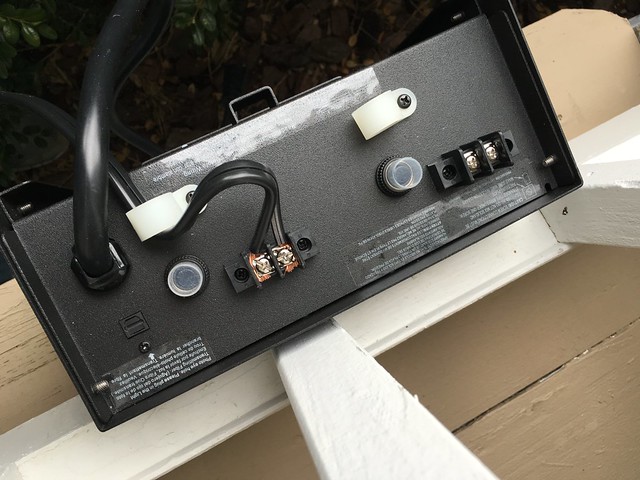
<p>Before I started installing the lights I decided to hook the wire to the taps of the transformer. This was as simple as stripping the wires and putting them under the screw terminals of the transformer. Really, you can't get any easier. Later I mounted the transformer on the wall with the supplied screws.</p>
<p>
</p>
<div class="MediaContainer PhotoContainer"><a href="https://farm2.staticflickr.com/1488/24421072205_541c10ca1a_z.jpg" rel="PhotoPopup" popupheight="480" popupwidth="640"><img alt="" src="https://farm2.staticflickr.com/1488/24421072205_541c10ca1a.jpg" width="500" height="375" style="border-width: 0px; border-style: solid;" /></a></div>
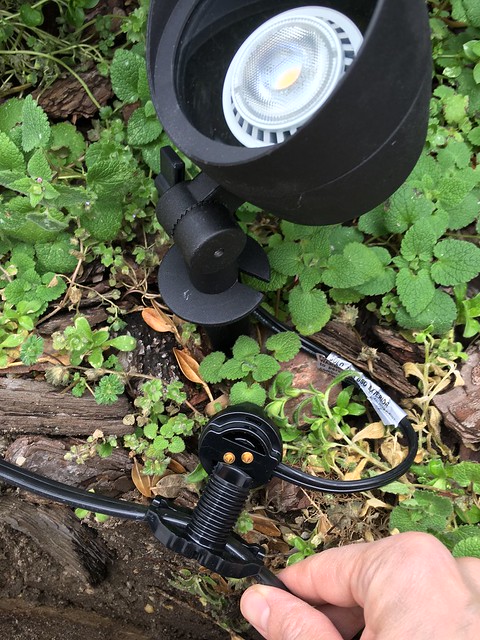
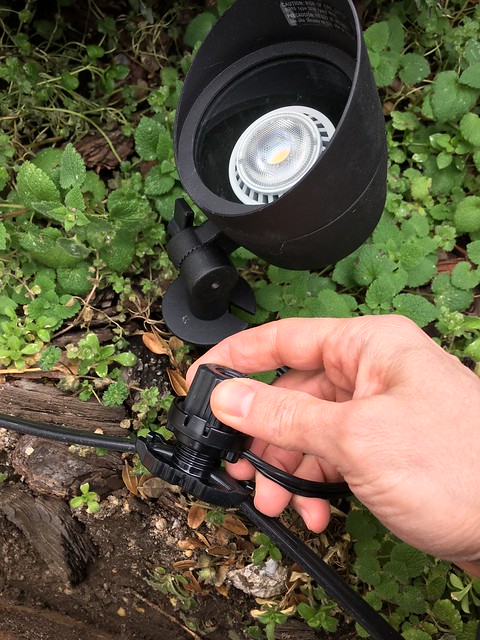
<p>Once all of the wire was in place and hooked up to the transformer I started placing the lights. Let me tell you one thing for sure, they've made install of the lights about as each as they can be. Each light has a tail of wire that runs to a screw type connection.&nbsp;</p>
<p>
</p>
<div class="MediaContainer PhotoContainer"><a href="https://farm2.staticflickr.com/1642/23792866504_65d810cb52_z.jpg" rel="PhotoPopup" popupheight="640" popupwidth="480"><img alt="" src="https://farm2.staticflickr.com/1642/23792866504_65d810cb52.jpg" width="375" height="500" style="border-width: 0px; border-style: solid;" /></a></div>
<p>You simply place the supply wire in the plastic bracket and then script the contact spikes down onto the wire.&nbsp;</p>
<p>
</p>
<div class="MediaContainer PhotoContainer"><a href="https://farm2.staticflickr.com/1593/23792870394_c1359e6770_z.jpg" rel="PhotoPopup" popupheight="640" popupwidth="480"><img alt="" src="https://farm2.staticflickr.com/1593/23792870394_c1359e6770.jpg" width="375" height="500" style="border-width: 0px; border-style: solid;" /></a></div>
<p>Each light took only about 5 minutes to go from box to fully installed, and it was perfect timing too as the sun was setting and darkness was setting in. This allowed us to position our lights as we installed them.</p>
<p>
</p>
<div class="MediaContainer PhotoContainer"><a href="https://farm2.staticflickr.com/1575/24356117771_c9d75121bc_z.jpg" rel="PhotoPopup" popupheight="480" popupwidth="640"><img alt="" src="https://farm2.staticflickr.com/1575/24356117771_c9d75121bc.jpg" width="500" height="375" style="border-width: 0px; border-style: solid;" /></a></div>
<p>Light positioning is the most important aspect of the project, having people give their opinion of position while you position the lights.&nbsp;</p>
<p><em>One thing to note about the LED bulbs, polarity matters. When I first installed the LED bulbs they didn't light up. I thought the MR16 bulbs were either bad or incompatible. It wasn't until a little while later I ended up switching around the bulb just by flipping which pin was plugged into the holder. At that point the bulb started working. Keep that in mind if you are doing retrofit LED bulbs and they don't turn on right away.</em></p>
<p><em>
</em></p>
<div class="MediaContainer PhotoContainer"><em><a href="https://farm2.staticflickr.com/1452/24142948800_5faa649d5b_z.jpg" rel="PhotoPopup" popupheight="480" popupwidth="640"><img alt="" src="https://farm2.staticflickr.com/1452/24142948800_5faa649d5b.jpg" width="500" height="375" style="border-width: 0px; border-style: solid;" /></a></em></div>
<em>
</em>
<p>As we installed the observers shouted things like "a little to the left," "a little to the right," "now remove that branch that's in front of the light," and other useful info.</p>
<p>
</p>
<div class="MediaContainer PhotoContainer"><a href="https://farm2.staticflickr.com/1514/24070771519_4941668ae9_z.jpg" rel="PhotoPopup" popupheight="480" popupwidth="640"><img alt="" src="https://farm2.staticflickr.com/1514/24070771519_4941668ae9.jpg" width="500" height="375" style="border-width: 0px; border-style: solid;" /></a></div>
<p>If you notice in the above photo, the light on the very left is a little "cooler" (bluer) than the other lights on the house. That spotlight is the native LED spotlight. I decided to buy one to try it out just to see the difference. We'll replace that with the spotlight and replacement bulbs we used elsewhere, but the experiment reinforced exactly why I wanted to use the replacement bulb approach.</p>
<p>
</p>
<div class="MediaContainer PhotoContainer"><a href="https://farm2.staticflickr.com/1485/24438568895_0fddb64d7b_z.jpg" rel="PhotoPopup" popupheight="480" popupwidth="640"><img alt="" src="https://farm2.staticflickr.com/1485/24438568895_0fddb64d7b.jpg" width="500" height="375" style="border-width: 0px; border-style: solid;" /></a></div>
<p>The whole project really came together very quickly and truly made a massive impact on our home's curb appeal. The total cost for our project was about $380 all together, which while not insignificant, seems pretty reasonable for the major change it makes to the house. It also felt great that we were able to check an actual project off of our list. The house looks great with all of the light and it feel like it makes our very pretty home really stand out even at night.&nbsp;</p><p><a href="https://www.oldtownhome.com/2016/2/5/Landscape-Lighting-for-Major-Impact-with-Minimal-Effort/">Read Full Post</a></p>]]></content>
    <category term="Garden" />
    <category term="Header Image" />
    <category term="Lighting" />
    <category term="Low Voltage Lighting" />
    <category term="Water House" />
    <PostImage>https://c2.staticflickr.com/2/1519/24199818614_f19c4e469f.jpg</PostImage>
    <media:thumbnail url="https://c2.staticflickr.com/2/1519/24199818614_f19c4e469f_t.jpg" />
    <ExtensionElements>
      <Item>PostImage</Item>
      <Item>media:thumbnail</Item>
    </ExtensionElements>
  </entry>
  <entry>
    <guid>4f8ac641-2fa1-48b4-a768-f9c58e225f37</guid>
    <id>https://www.oldtownhome.com/2015/9/18/Its-a-Jungle-Out-There/</id>
    <title>It's a Jungle Out There</title>
    <summary type="html"><![CDATA[<p>Q: How do you know you've neglected your yard for way too long?</p><p>A: When the weeds are taller than you are.</p><p>
</p><div class="MediaContainer PhotoContainer"><a href="https://farm1.staticflickr.com/712/21492753845_17bf983a6f_z.jpg" rel="PhotoPopup" popupheight="640" popupwidth="480"><img alt="" src="https://farm1.staticflickr.com/712/21492753845_17bf983a6f.jpg" width="375" height="500" style="border-width: 0px; border-style: solid;"></a></div><p>The last seven months at the new house have been largely devoted to getting the house back up and running following the <a href="http://www.oldtownhome.com/2015/2/24/A-Whole-House-Catastrophe/">whole house catastrophe</a> last winter. We've been spending roughly 85% of our time ripping out the old copper plumbing, demolishing the old baseboard radiators, and coordinating the insurance and contractor process. The remaining 15% has consisted of trying to distract myself and stay positive by working on design plans for the house, combined with the renovation of the living room.&nbsp;I think it's fair to say that this has been 100% of effort we absolutely didn't expect during our first year of ownership.</p><p>We're accustomed to city living in so many ways, but one of the most noticeable is our lack of experience with gardening. To go from a 15' wide bricked courtyard with a few plants to over an acre of lawn, hedges, gardens, and more has been a huge change.&nbsp;</p><p>But while we want the yard to be beautiful, our time and attention has been focused on interior projects. We hired a lawn service to keep the yard cut (and hopefully the snakes out!), but aside from the occasional weeding, trimming, and watering, we haven't done much else.</p> <a href="https://www.oldtownhome.com/2015/9/18/Its-a-Jungle-Out-There/">more</a>]]></summary>
    <published>2015-09-18T09:10:00.000-04:00</published>
    <updated>2015-09-18T09:10:00.000-04:00</updated>
    <link rel="alternate" href="https://www.oldtownhome.com/2015/9/18/Its-a-Jungle-Out-There/" />
    <author>
      <name>Wendy</name>
    </author>
    <content type="html"><![CDATA[<p>Q: How do you know you've neglected your yard for way too long?</p>
<p>A: When the weeds are taller than you are.</p>
<p>
</p>
<div class="MediaContainer PhotoContainer"><a href="https://farm1.staticflickr.com/712/21492753845_17bf983a6f_z.jpg" rel="PhotoPopup" popupheight="640" popupwidth="480"><img alt="" src="https://farm1.staticflickr.com/712/21492753845_17bf983a6f.jpg" width="375" height="500" style="border-width: 0px; border-style: solid;" /></a></div>
<p>The last seven months at the new house have been largely devoted to getting the house back up and running following the <a href="http://www.oldtownhome.com/2015/2/24/A-Whole-House-Catastrophe/">whole house catastrophe</a> last winter. We've been spending roughly 85% of our time ripping out the old copper plumbing, demolishing the old baseboard radiators, and coordinating the insurance and contractor process. The remaining 15% has consisted of trying to distract myself and stay positive by working on design plans for the house, combined with the renovation of the living room.&nbsp;I think it's fair to say that this has been 100% of effort we absolutely didn't expect during our first year of ownership.</p>
<p>We're accustomed to city living in so many ways, but one of the most noticeable is our lack of experience with gardening. To go from a 15' wide bricked courtyard with a few plants to over an acre of lawn, hedges, gardens, and more has been a huge change.&nbsp;</p>
<p>But while we want the yard to be beautiful, our time and attention has been focused on interior projects. We hired a lawn service to keep the yard cut (and hopefully the snakes out!), but aside from the occasional weeding, trimming, and watering, we haven't done much else.</p>
<p>As branches began to grow from the neighboring lot into and over our driveway, whipping the windshield of our car every time we came and went,&nbsp;we could no longer turn around in front of the picket fence due to the low hanging branches of a tree, and the flower beds looked like a mass of weed spaghetti, it sunk in. We were going to have to take a break from our inside projects to do something about this mess.</p>
<p>
</p>
<div class="MediaContainer PhotoContainer"><a href="https://farm6.staticflickr.com/5666/21304568968_1bc3058c17_z.jpg" rel="PhotoPopup" popupheight="640" popupwidth="480"><img alt="" src="https://farm6.staticflickr.com/5666/21304568968_1bc3058c17.jpg" width="375" height="500" style="border-width: 0px; border-style: solid;" /></a></div>
<p>Lucky for us, my parents are not only good gardeners and have a beautiful yard, but they're also willing to drive in and help us with our mounting to do list. I made a 9-1-1 call to them begging for help, and they agreed to come in for a long weekend to help us tame this beast (while also visiting and enjoying a little porch time).</p>
<p>I'm sure they were taken aback upon their arrival, seeing the strange weed and iris mounds lining the driveway, not to mention all of the other overgrowth.</p>
<p>
</p>
<div class="MediaContainer PhotoContainer"><a href="https://farm1.staticflickr.com/625/21466239526_95ca1e64db_z.jpg" rel="PhotoPopup" popupheight="640" popupwidth="480"><img alt="" src="https://farm1.staticflickr.com/625/21466239526_95ca1e64db.jpg" width="375" height="500" style="border-width: 0px; border-style: solid;" /></a></div>
<p>But they were good sports about it all, and we quickly dove into two solid days of weed whipping, tree and hedge trimming, and weed pulling. You can hardly see my Dad in the photo below, as he mounted his attack against the driveway branches.</p>
<p>
</p>
<div class="MediaContainer PhotoContainer"><a href="https://farm1.staticflickr.com/664/21304571308_889d03dbd6_z.jpg" rel="PhotoPopup" popupheight="640" popupwidth="480"><img alt="" src="https://farm1.staticflickr.com/664/21304571308_889d03dbd6.jpg" width="375" height="500" style="border-width: 0px; border-style: solid;" /></a></div>
<p>Meanwhile my Mom started cutting back the weird driveway mounds and pulling weeds from the side of the house.</p>
<p>
</p>
<div class="MediaContainer PhotoContainer"><a href="https://farm1.staticflickr.com/647/21500991281_7f9a584e4b_z.jpg" rel="PhotoPopup" popupheight="640" popupwidth="480"><img alt="" src="https://farm1.staticflickr.com/647/21500991281_7f9a584e4b.jpg" width="375" height="500" style="border-width: 0px; border-style: solid;" /></a></div>
<p>I helped my Dad trim back some of the tall branches, and followed behind him gathering up all of the cuttings. I also attacked the weeds in the front courtyard area, and cut back the overgrown boxwoods. While I don't have great photos of the weekend as we were really focused on getting it done and I was too dirty or sweaty to have my phone in hand, I did take a few photos once things were cleaned back up. Here's a look at the driveway after we were finished. What an improvement, and now cars can get in and out without issue.
</p>
<p>
</p>
<div class="MediaContainer PhotoContainer"><a href="https://farm1.staticflickr.com/630/20969069952_078db2b025_z.jpg" rel="PhotoPopup" popupheight="640" popupwidth="480"><img alt="" src="https://farm1.staticflickr.com/630/20969069952_078db2b025.jpg" width="375" height="500" style="border-width: 0px; border-style: solid;" /></a></div>
<p>And here's a look at the side garden and brick walkway, looking nice and neat thanks to my Mom's perseverance.</p>
<p>
</p>
<div class="MediaContainer PhotoContainer"><a href="https://farm6.staticflickr.com/5706/20790946278_54c4e3ca9b_z.jpg" rel="PhotoPopup" popupheight="480" popupwidth="640"><img alt="" src="https://farm6.staticflickr.com/5706/20790946278_54c4e3ca9b.jpg" width="500" height="375" style="border-width: 0px; border-style: solid;" /></a></div>
<p>When she started, the walkway was a weedy mess. Thanks to hand pulling and an application of an all natural weed spray I mixed up (1 gallon white vinegar, 1 cup salt, and a squirt of Dawn dish detergent), the house was once again looking like it was cared for.</p>
<p>
</p>
<div class="MediaContainer PhotoContainer"><a href="https://farm6.staticflickr.com/5752/20986358751_6d6e486819_z.jpg" rel="PhotoPopup" popupheight="480" popupwidth="640"><img alt="" src="https://farm6.staticflickr.com/5752/20986358751_6d6e486819.jpg" width="500" height="375" style="border-width: 0px; border-style: solid;" /></a></div>
<p>My gardening efforts also resulted in a much better space out front. The beds were once again mostly free of weeds and grass, and the boxwoods no longer had crazy sprouts shooting out in all directions.&nbsp;</p>
<p>
</p>
<div class="MediaContainer PhotoContainer"><a href="https://farm6.staticflickr.com/5678/20356273214_737d7cbf36_z.jpg" rel="PhotoPopup" popupheight="480" popupwidth="640"><img alt="" src="https://farm6.staticflickr.com/5678/20356273214_737d7cbf36.jpg" width="500" height="375" style="border-width: 0px; border-style: solid;" /></a></div>
<p>The weekend wasn't just about gardening though. After several weeks of effort, we finally found someone to haul away our remaining construction debris as well as the large pile of concrete that was unearthed when the trenches were dug for the geothermal system. Having all of that cleared away is a huge relief!</p>
<p>
</p>
<div class="MediaContainer PhotoContainer"><a href="https://farm1.staticflickr.com/670/20357820473_dff9e7a55a_z.jpg" rel="PhotoPopup" popupheight="640" popupwidth="480"><img alt="" src="https://farm1.staticflickr.com/670/20357820473_dff9e7a55a.jpg" width="375" height="500" style="border-width: 0px; border-style: solid;" /></a></div>
<p>And finally, one of the last things I tackled was the removal of the carpet treads from the stairwell. While they served a great purpose in protecting the wood, we're going to have the stairs and floors refinished soon so they needed to come off.&nbsp;</p>
<p>
</p>
<div class="MediaContainer PhotoContainer"><a href="https://farm6.staticflickr.com/5625/21481317062_13593789cb_z.jpg" rel="PhotoPopup" popupheight="640" popupwidth="480"><img alt="" src="https://farm6.staticflickr.com/5625/21481317062_13593789cb.jpg" width="375" height="500" style="border-width: 0px; border-style: solid;" /></a></div>
<p>They came off without too much of a fight, being held in place by two-sided adhesive tape, rather than staples or glue.&nbsp;I can't tell you how relieved we were about this little detail.</p>
<p>
</p>
<div class="MediaContainer PhotoContainer"><a href="https://farm6.staticflickr.com/5806/20335702343_f2d47507e8_z.jpg" rel="PhotoPopup" popupheight="480" popupwidth="640"><img alt="" src="https://farm6.staticflickr.com/5806/20335702343_f2d47507e8.jpg" width="500" height="375" style="border-width: 0px; border-style: solid;" /></a></div>
<p>The adhesive did pull off some of the wood, but nothing that the floor refinishing shouldn't be able to correct.&nbsp;</p>
<p>
</p>
<div class="MediaContainer PhotoContainer"><a href="https://farm1.staticflickr.com/765/21305565159_9879519b01_z.jpg" rel="PhotoPopup" popupheight="480" popupwidth="640"><img alt="" src="https://farm1.staticflickr.com/765/21305565159_9879519b01.jpg" width="500" height="375" style="border-width: 0px; border-style: solid;" /></a></div>
<p>I'm excited to have the floors refinished and have a beautiful "Christmas staircase", one of the features that sold me on the house in the first place.&nbsp;We'll replace it with a seagrass runner at some point in the future once a lot of the messy plaster work is completed in the hallways.</p>
<p>I'm so grateful for the extra help, as I know it would have taken the two of us several weeks to get all of this accomplished while also getting all of our other tasks done. Having the house a bit more clean and orderly has helped me to refocus on the renovations at hand and our short term plan, as well as get much more comfortable in asking for and accepting help. As for Alex? Well, he could still use a little practice in that area, but even he agreed that we couldn't have done it alone.</p>
<p>Do you have any tips for keeping a big yard trimmed and weed-free? Any suggestions for low maintenance bushes or flowers? We have a lot to learn for sure, and would love any advice on gardening dos and don'ts.</p><p><a href="https://www.oldtownhome.com/2015/9/18/Its-a-Jungle-Out-There/">Read Full Post</a></p>]]></content>
    <category term="Garden" />
    <category term="Header Image" />
    <category term="Water House" />
    <PostImage>https://farm6.staticflickr.com/5698/20870038234_5df6ed7777_n.jpg</PostImage>
    <media:thumbnail url="https://farm6.staticflickr.com/5698/20870038234_5df6ed7777_t.jpg" />
    <ExtensionElements>
      <Item>PostImage</Item>
      <Item>media:thumbnail</Item>
    </ExtensionElements>
  </entry>
</feed>